Education

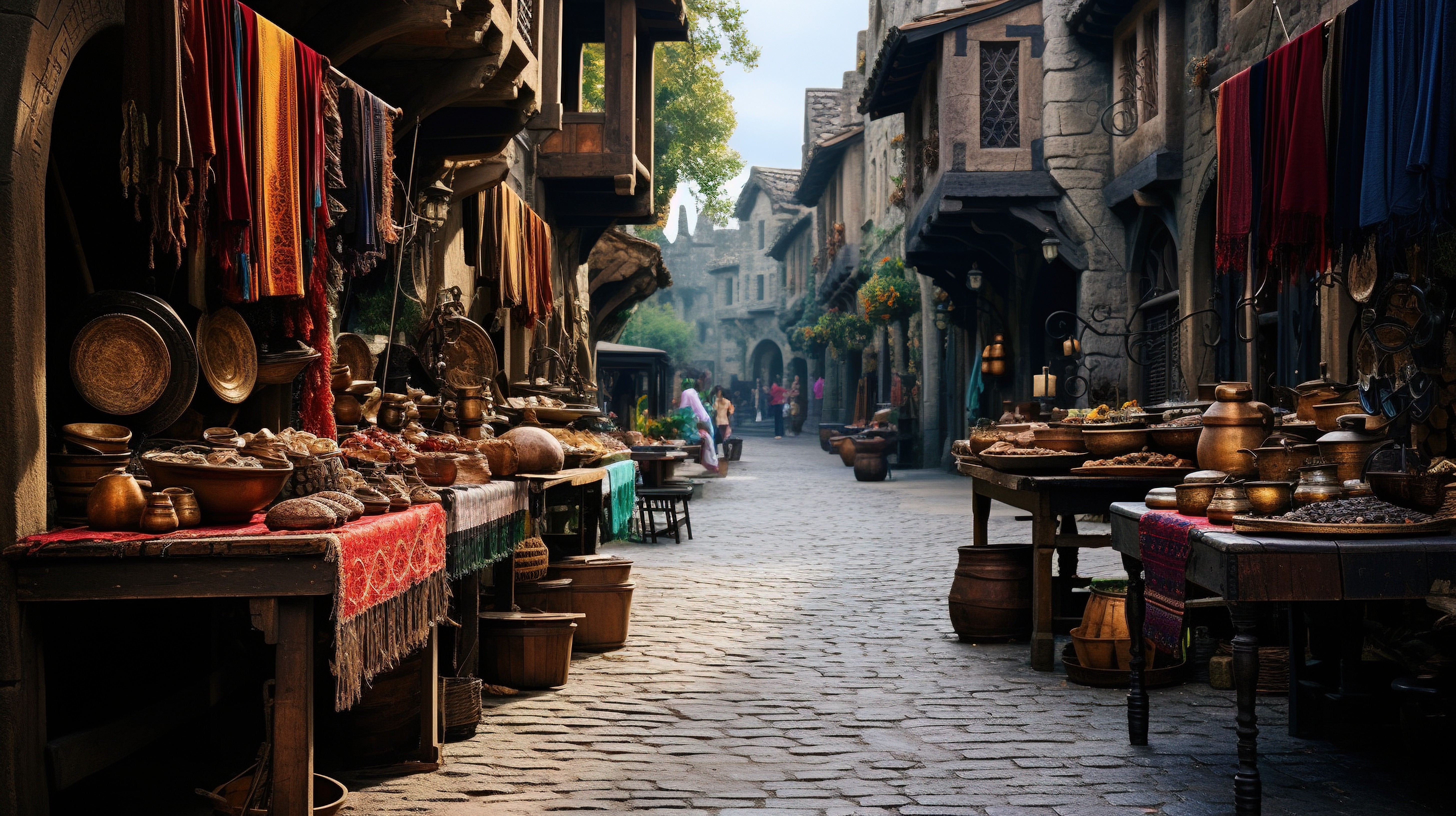
For centuries, trade events have stood the test of time. The bazaars of old and the expos of today share a single purpose: to bring people together and get them trading.
This insight gives you a glimpse of the past, helping you understand how exhibitors operated over the course of centuries.
The Medieval Origins of Trade Shows
Trade shows date back nearly a millennium to the commercial gatherings of medieval Europe. During the 12th and 13th centuries, rulers sponsored trade fairs where merchants could sell goods and services to the general public.
The Champagne Fairs in Northeastern France ran from 1150 to 1350 & became the springboard for international commerce groups all over Europe - attracting all sorts of exhibitors to display their wares: textiles, spices, leather, and fur. These fairs were usually held over a few weeks in a year, timed to coincide with seasonal festivals and when the weather was just right.
These medieval trade shows set up rules that trade exhibitors still follow today. The dedicated spaces for different types of products, the standardized times for exhibitions, and formal rules for working out disputes between exhibitors and attendees. Medieval trade shows understood that a successful event required serious planning, with clear rules and quality standards to draw in both merchants & potential buyers.
Trading Posts in North America
Before the generalization of trade shows and exhibitions, trading posts played a key role in molding the markets of what would later become the United States and Canada. From the 1600s through to the 1800s, these posts were hubs where the natives, European settlers, and traders met. Intelligently placed along rivers, trails, and frontiers - such as the Mississippi River and in the Great Lakes region - trading posts allowed for the trade of fur, agricultural materials, and tools.
The Hudson’s Bay Company and the North West Company in Canada connected networks of regional trading posts with global markets. They didn't just facilitate trade, but also functioned as diplomatic locations to meet and nurture relations across different communities.
While not trading posts were not exhibitions in the modern sense, they did embody the core principles of a trade show - bringing together buyers and sellers under one roof, displaying the best products in the markets, and creating trade networks across different regions. Trade posts represent an important chapter in how commerce transitioned from barter systems to the organized industry-wide trade events we see today.
The Industrial Revolution of Trade Shows
With the advent of mass production, new technologies, and global trade, companies needed larger, more ambitious platforms to sell their products. That's when the era of big exhibitions & World's Fairs began: like London's Great Exhibition of 1851 in the Crystal Palace.
London's Great Exhibition had 14,000 exhibitors from over 44 countries and drew in 6 million visitors over 5 months. Companies got to showcase their latest machinery, inventions, and cutting-edge manufacturing techniques. Moreover, the exhibits used elegant booth designs that were custom made to display brand exclusivity and technological grandeur. The Great Exhibition proved that companies were willing to invest more in trade events that provide access to a large number of qualified potential buyers.
In the 1870s and 1890s, American exhibitors later built on this model while adding their own unique touches to trade show organization. The American Institute Fair in New York City, which ran annually, attracted over 30,000 trade show attendees and focused on regional development goals - agriculture, commerce, manufacturing, and arts. The trade event was one of the first that showed how trade shows can serve national and regional development goals while still catering to commercial stakeholders.
Over half a century later, specialized American venues such as the Las Vegas Convention Center (1959) and McCormick Place in Chicago (1960) were one of the first results-built facilities that offered exhibitors standardized booth spaces, amenities, and professional custom booth fabricator services that made trade exhibit displays predictable and pocket-friendly.
The Digital Integrations of Today
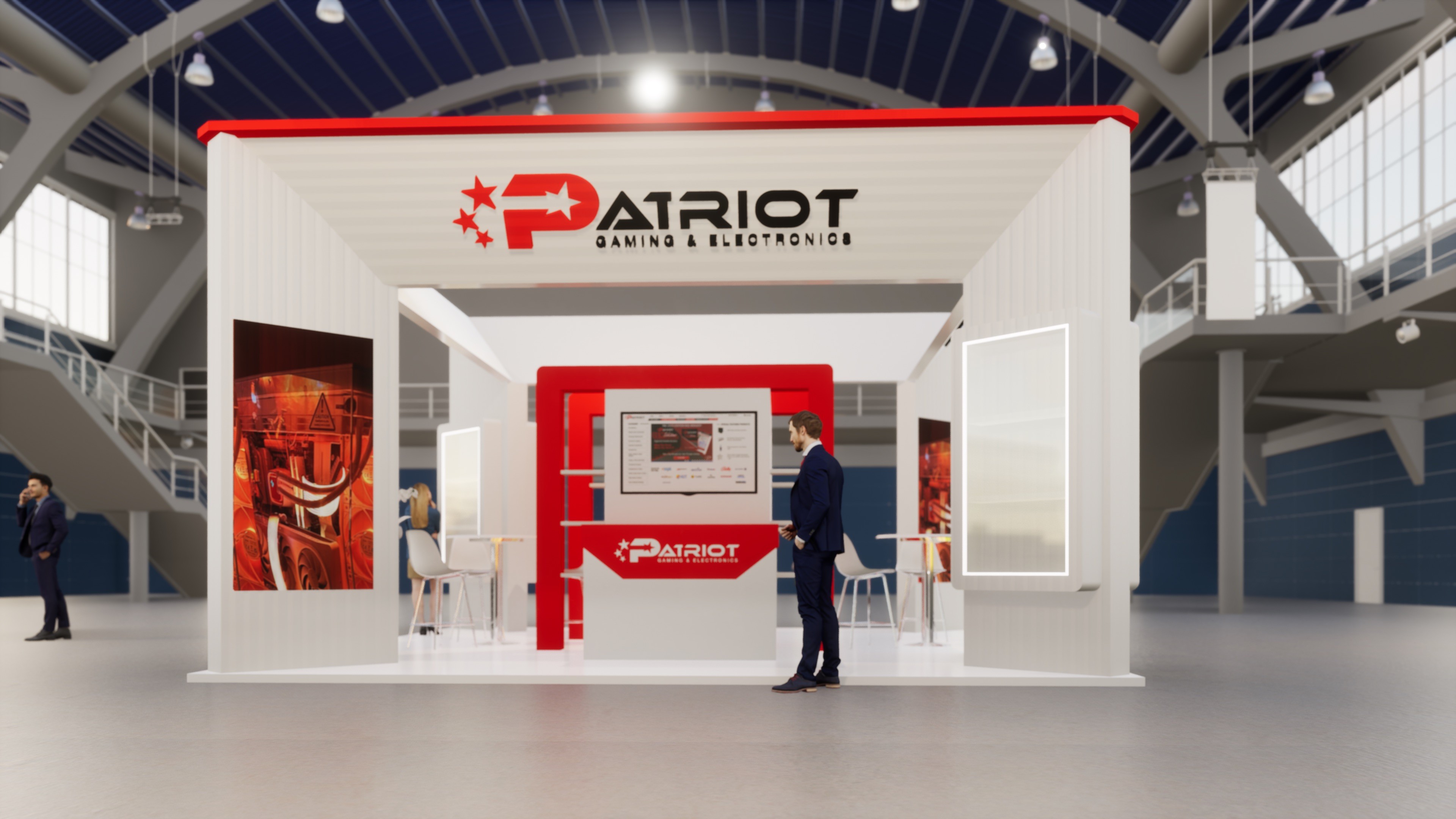
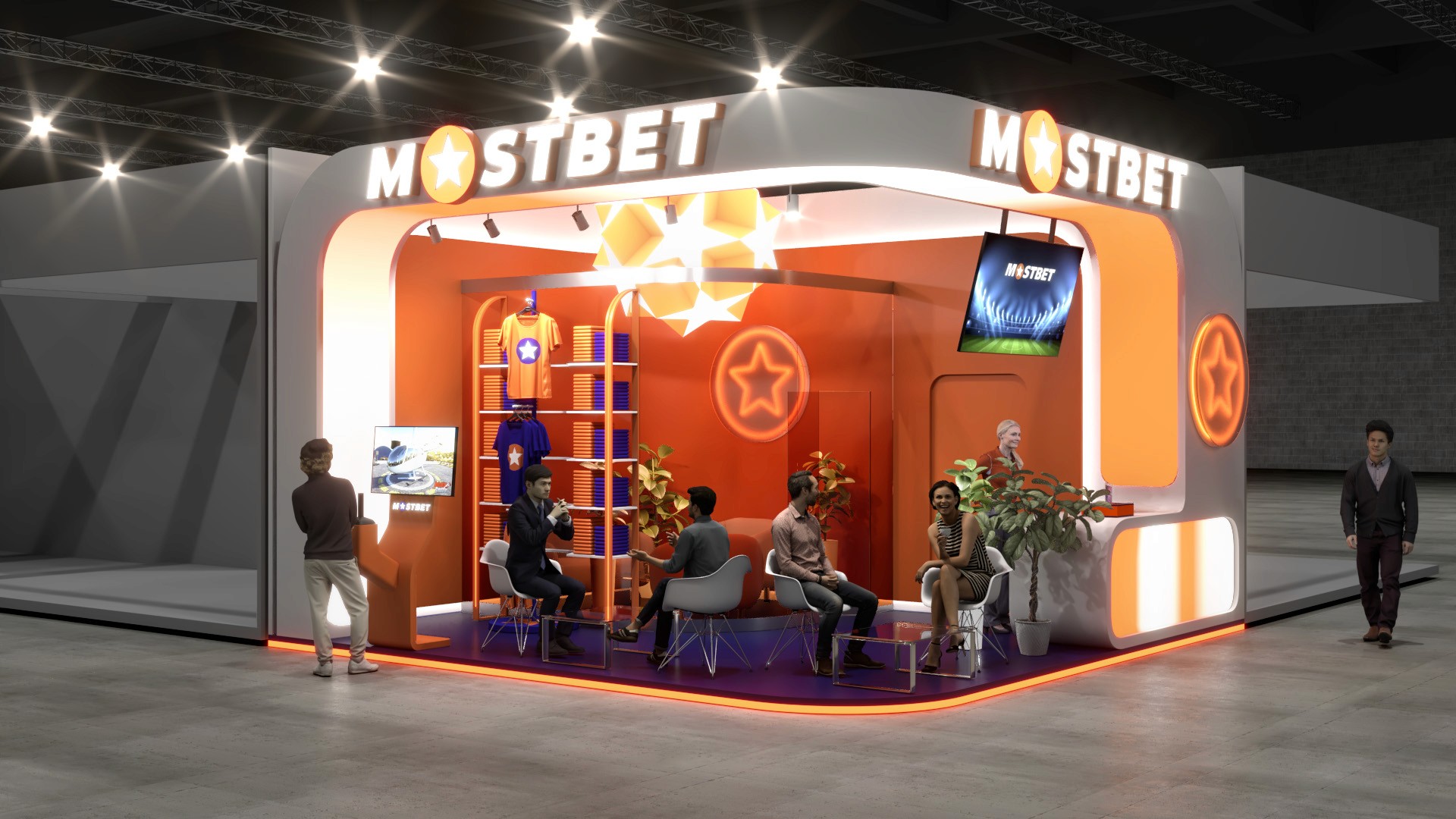
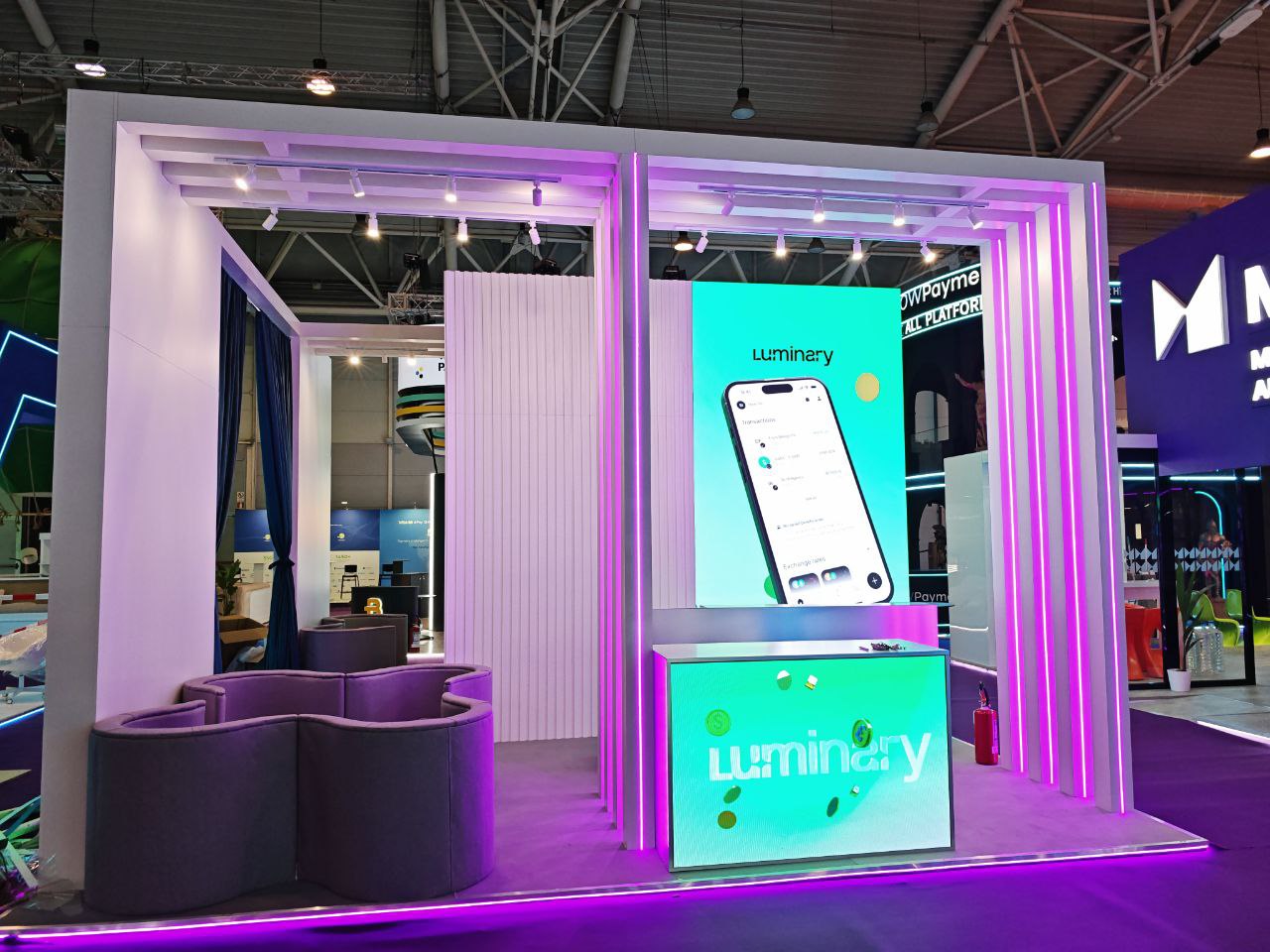
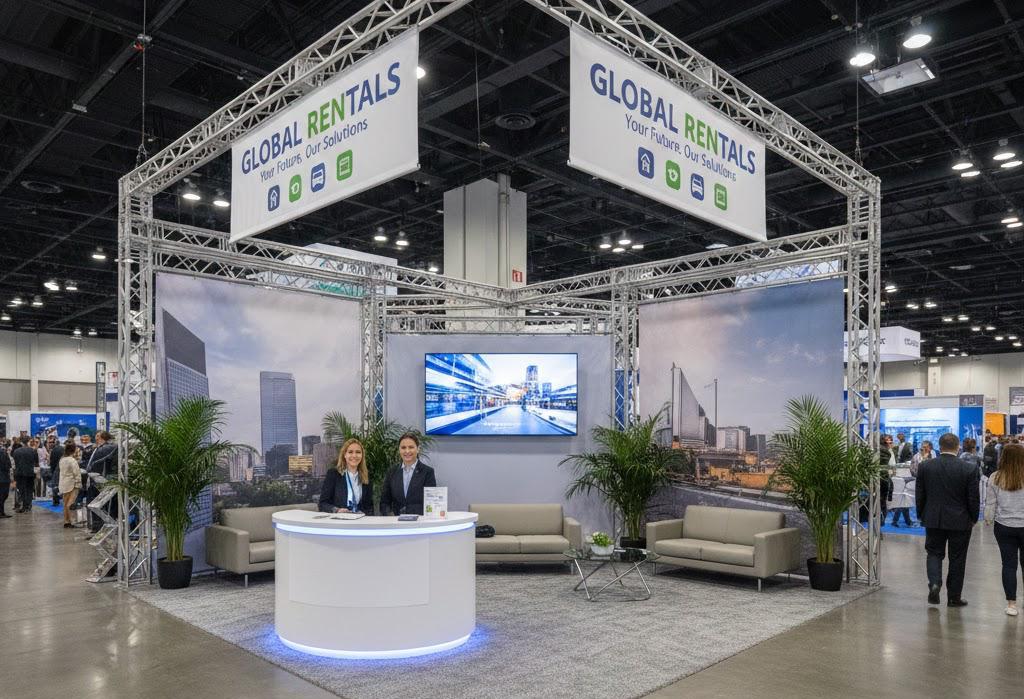
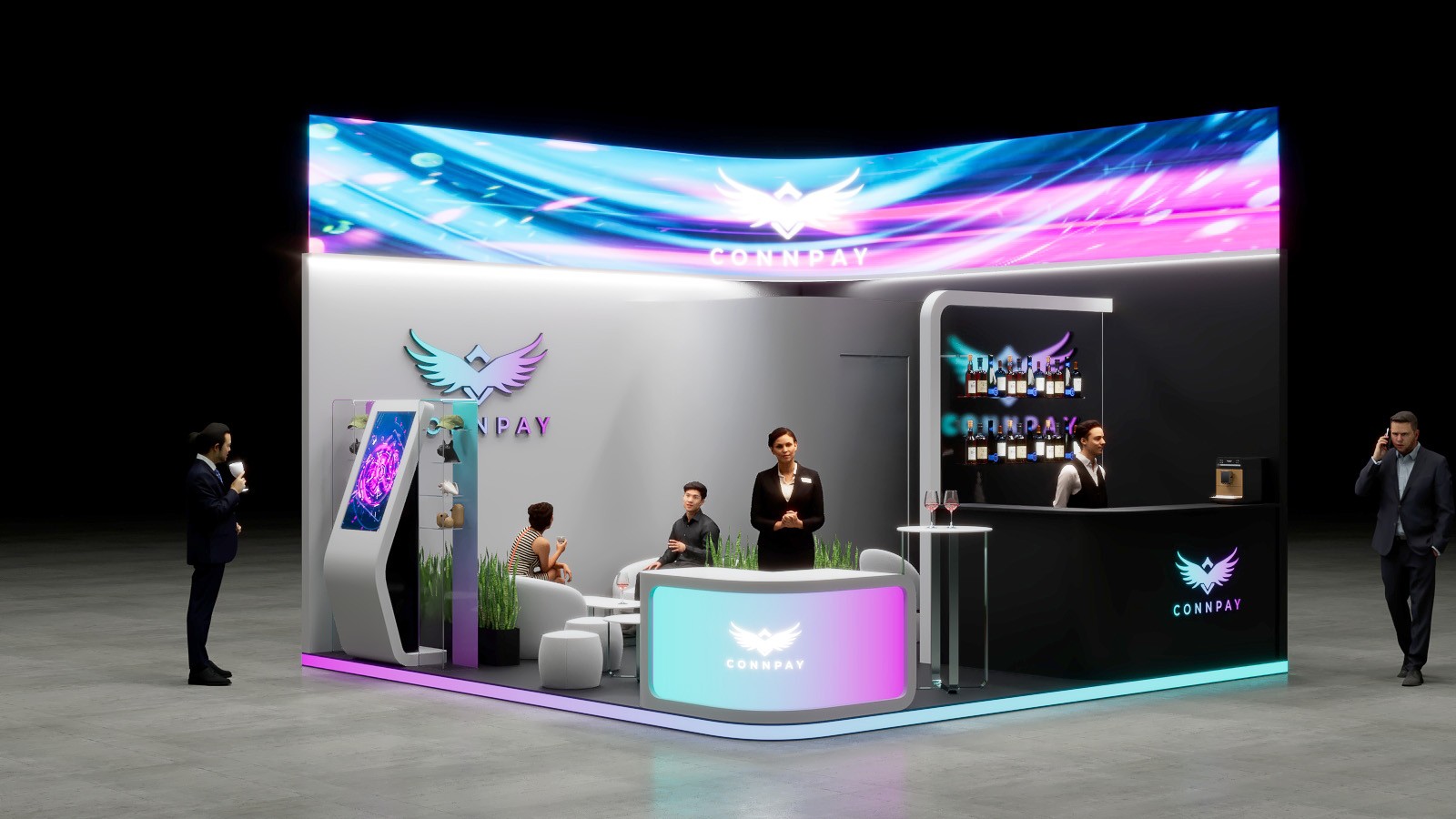
Nowadays, with limitless product information found online, trade show booths need a compelling reason for people to visit in person. Modern trade show exhibitors understand how important it is to get the first hello, without having attendees walk past their booth.
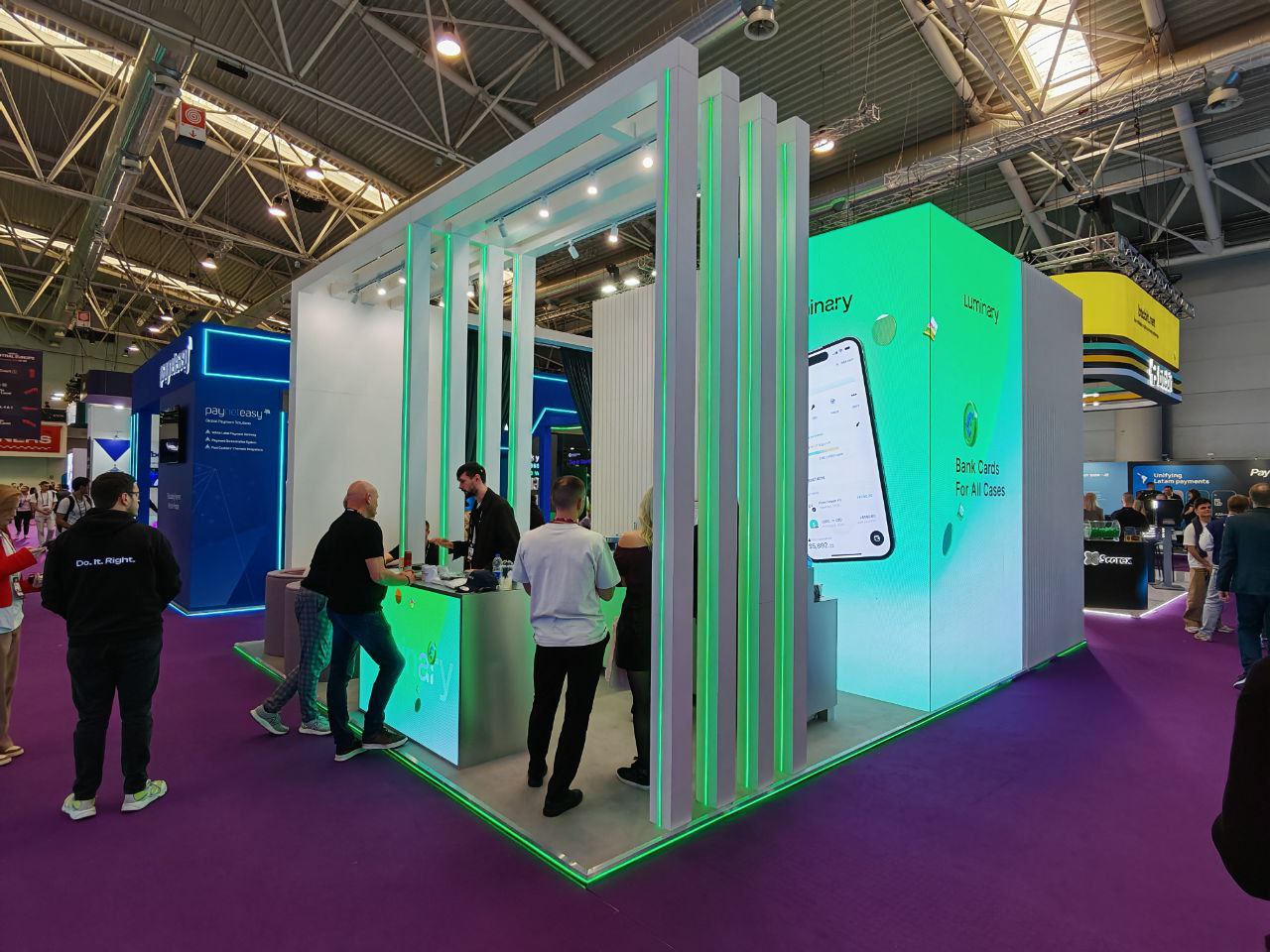
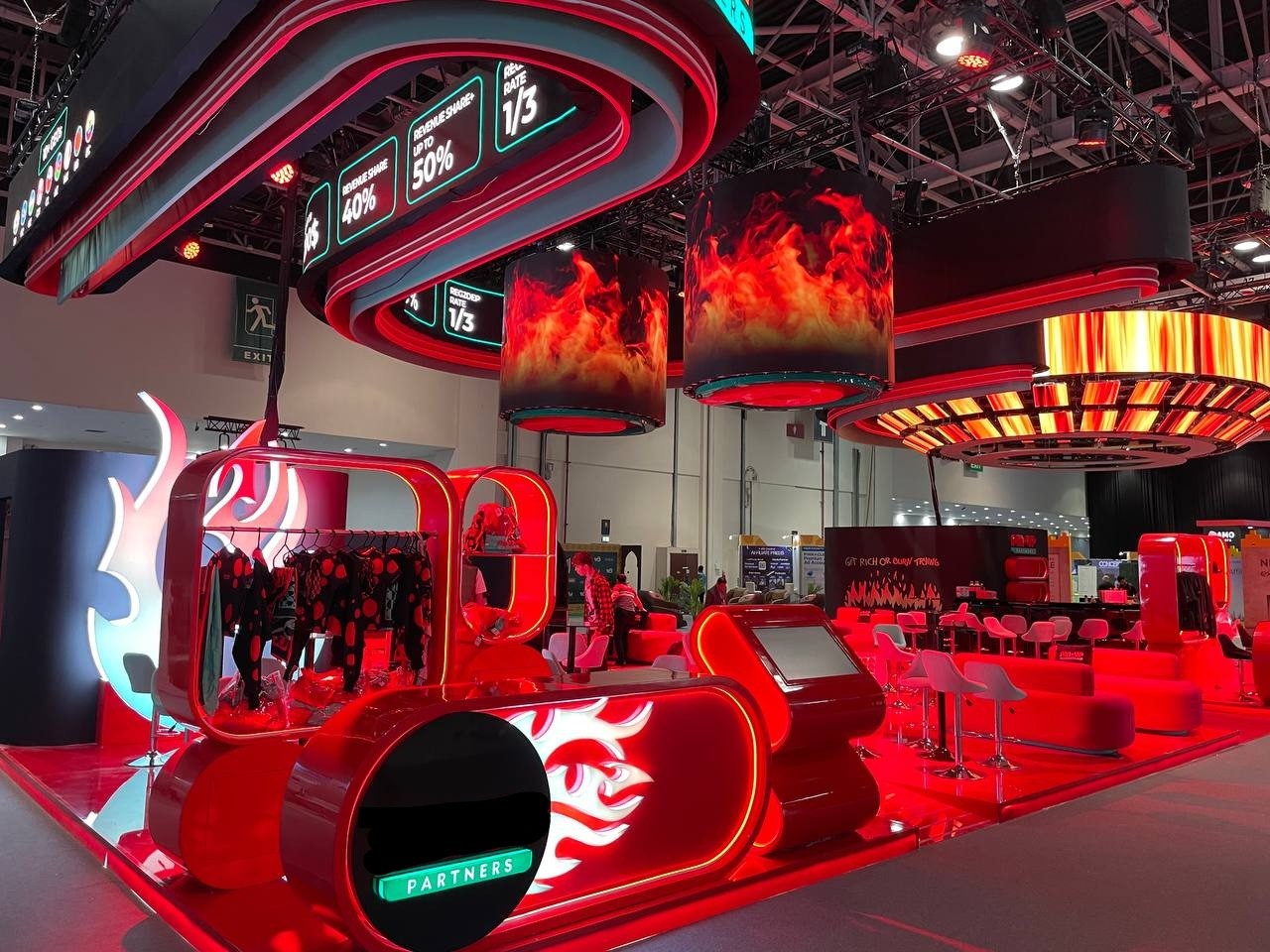
Creating high attendee engagement and booth traffic brought about the need for intelligent booth designs and interactive tech that captivated visitors and encouraged meaningful customer interactions. For instance, the use of digital screens, interactive kiosks, AR/VR capabilities in modern exhibit designs have resulted in longer visitor dwell times, better social media engagement, and higher event ROI, as a result.
Highly interactive booth traffic ideas, however, are just the start. Up until a few years ago, lead capture relied on business cards and event badges. With the help of modern day capabilities, you can get a visitor's contact information through various channels, such as business cards and LinkedIn QR codes. Additionally, using a lead tracking software allows you to qualify leads using custom forms, send automated lead follow-up emails, and directly sync data with your CRM systems.
Back To The Future
Trade shows have evolved over the course of time with changing economies, people, and technology. From the wooden exhibit displays of the 1800s to the tech-integrated environments we have now, the goal remains the same: stop the attendee in the aisle, grab their attention, and earn their trust.
Level's custom build exhibit services use the best trade show display strategies that utilize smart add-ons, designs, and tech integrations that boost your event ROI.

FAQ
When did trade shows first become digital?
How has trade show ROI changed over time?
What industries were the first to adopt modern trade show formats?
Will virtual trade shows completely replace physical events?
How do modern trade shows handle international participation?