Education

Trade Show Booth 2026: Your No-Nonsense Guide for Exhibitors
Hey, exhibitor — if you're tired of flashy booth hype that ignores the real grind, this guide's for you. In 2026, trade shows aren't about Instagram perfection anymore. They're about smart spends that deliver leads and sales. Costs are up, rules are tighter, and everyone's chasing measurable wins over vanity metrics.
We've all felt the squeeze: drayage fees jumping 18-22% since 2023, union labor adding 35-45% in big cities like Boston or New York, and sustainability mandates turning "optional" into "required." Your finance team is eyeing those six-figure budgets and asking why not just go digital? Fair question.
But trade shows still work when done right. At Level Booths, we've handled over 200 setups across venues big and small. We've watched companies blow $50k on botched shipments, get hit with $28k in unexpected labor, or build eye-catching booths that flop on leads. This guide cuts through the noise: real pricing, logistics pitfalls, designs that boost engagement, and tips to pick custom, modular, or rental booths based on your actual needs.
What's Really in a Trade Show Booth Package?
Don't get caught off guard by the invoice. A trade show booth isn't just walls and lights—it's a full setup involving gear, tech, shipping, and on-site help that kicks off weeks early and wraps up post-event.
Core Structure and Visuals
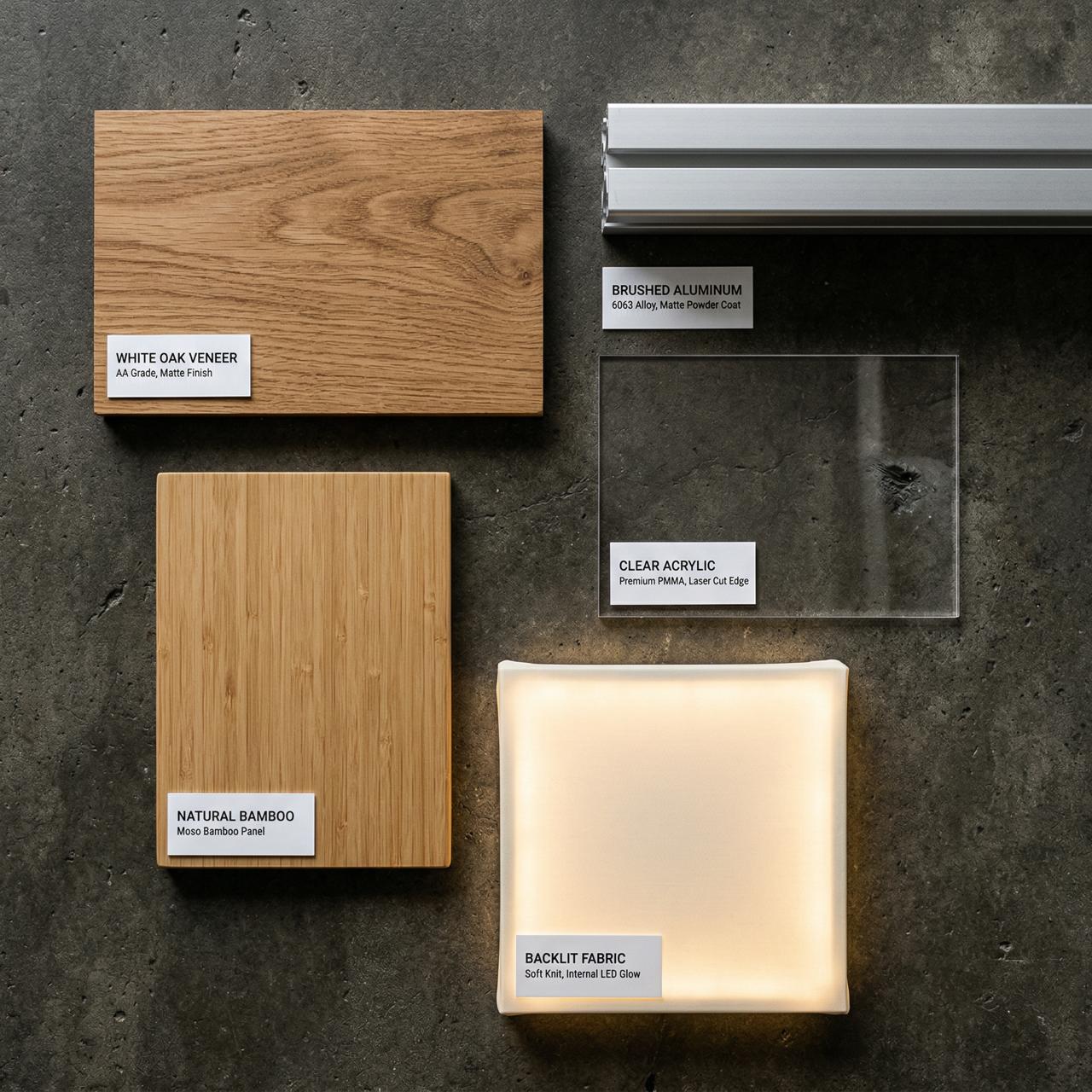
Start with the basics: aluminum frames or steel builds, fabric or rigid panels, custom flooring like carpet or platforms, and hidden storage. Fabric graphics save big on shipping—they're 60-70% lighter and pack small—but rigid ones pop more for premium brands okay with extra drayage.
Weight matters a lot. Light aluminum trims costs but needs solid design to avoid wobbles in big booths. Steel handles fancy overhangs or upper levels, but a 20x30 setup might need 18-22 heavy cases at 450-650 lbs each, hiking your fees.
Tech and Interaction Features
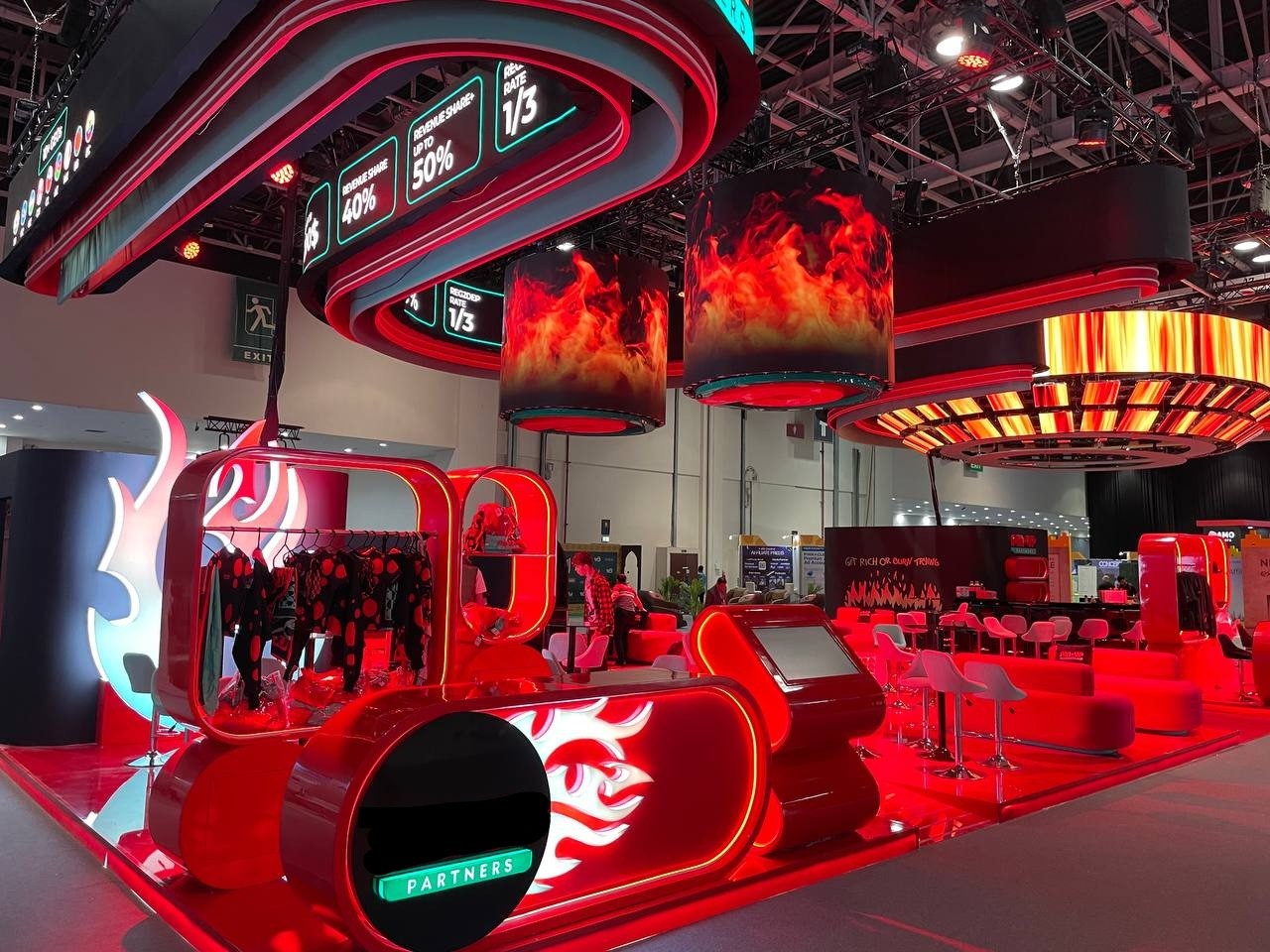
Add LEDs, touchscreens, demo spots, and lights for buzz, but watch the extras: power hookups, rigging, and install labor. A 12-ft LED wall rents for $15k, but add $8-12k for the 40-amp drop, supports, and electricians.
Pro tip: Tech shines when it ties to your goals—like demos or stories. Skip it if it's just filler. We've seen $40k screen setups pull fewer real talks than a simple coffee nook with sharp staff.
Overlooked Logistics and Support
The booth itself? Maybe 40-50% of your bill. The rest hits from shipping, drayage (dock-to-spot moves), install/dismantle (I&D) labor, and storage.
Ship early to the advance warehouse (3-4 weeks out) to cut drayage, but expect handling fees. Direct shipping skips that but risks $185-240 per 100 lbs in union spots. In places like Boston or Chicago, these can top your booth cost—budget accordingly.
Must-Have Quote Checklist:
Structure and graphics breakdown
Round-trip shipping
Drayage fees
I&D labor
Project oversight
Storage options
Spare parts and fixes
Power/AV setup
Daily cleaning
Effective Trade Show Booth Designs for 2026
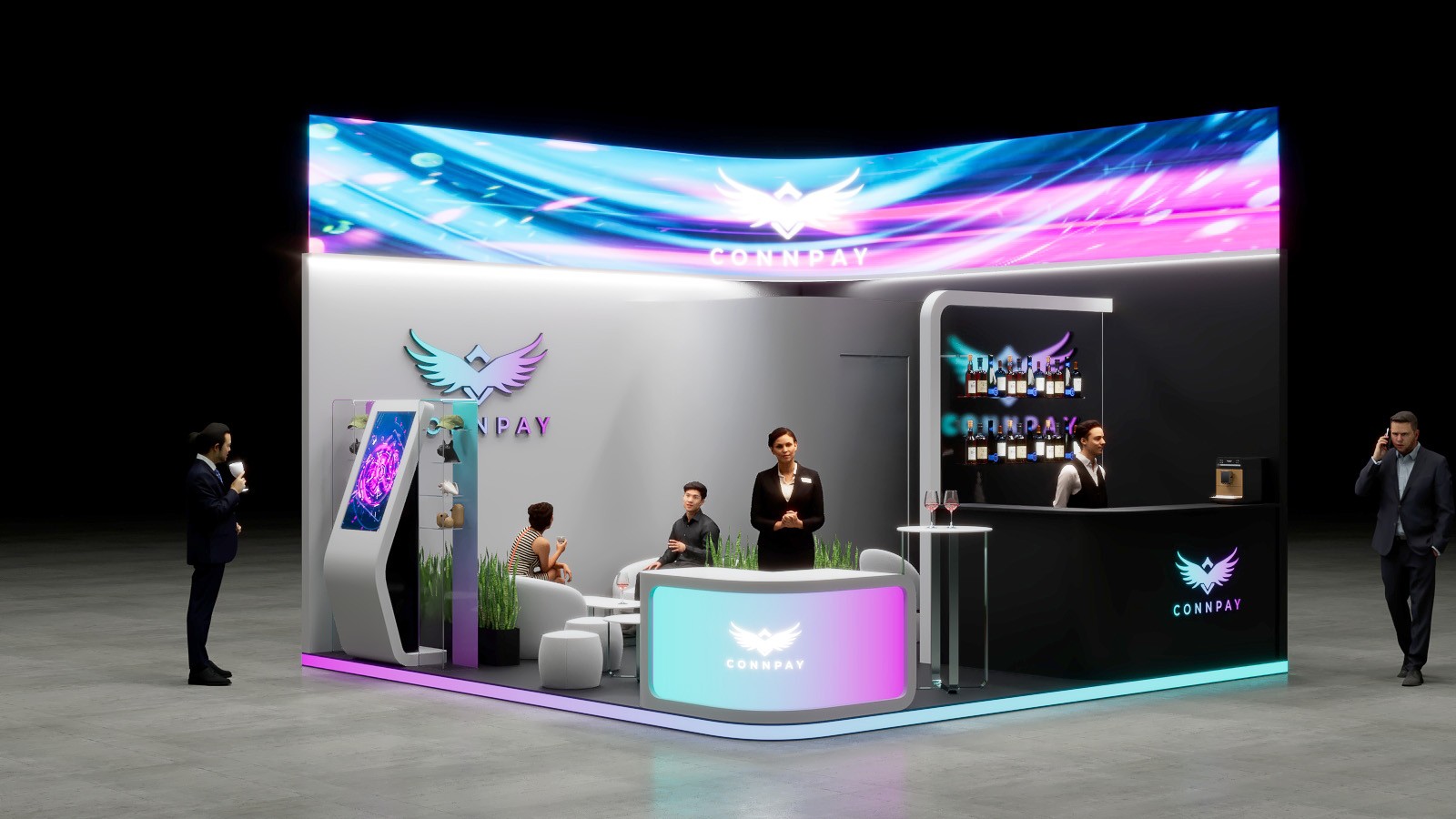
Trends fade, but what gets people talking stays the same. In 2026, ignore renderings that wow but fail live—focus on flow and function.
Layouts That Pull in Crowds
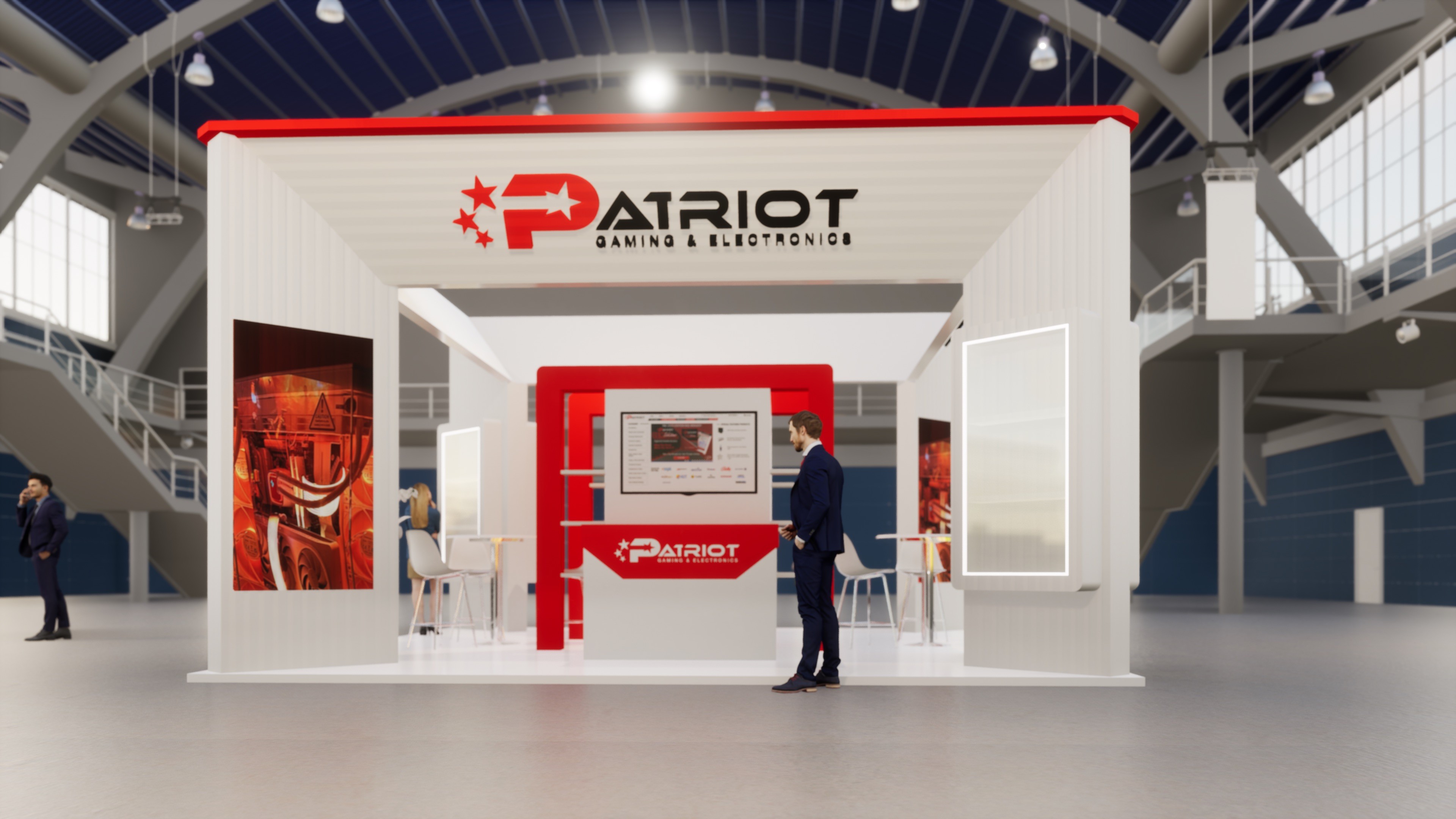
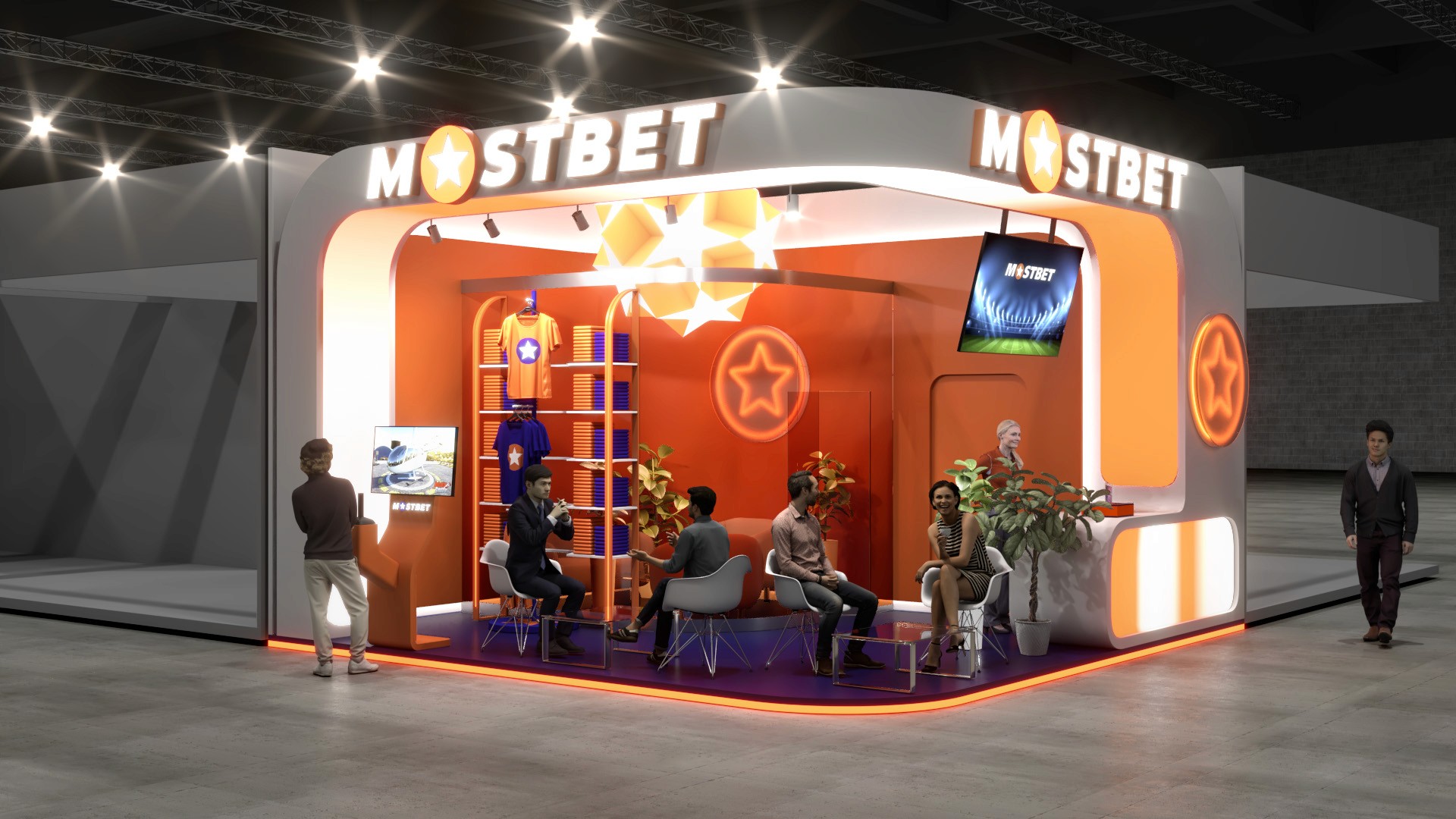
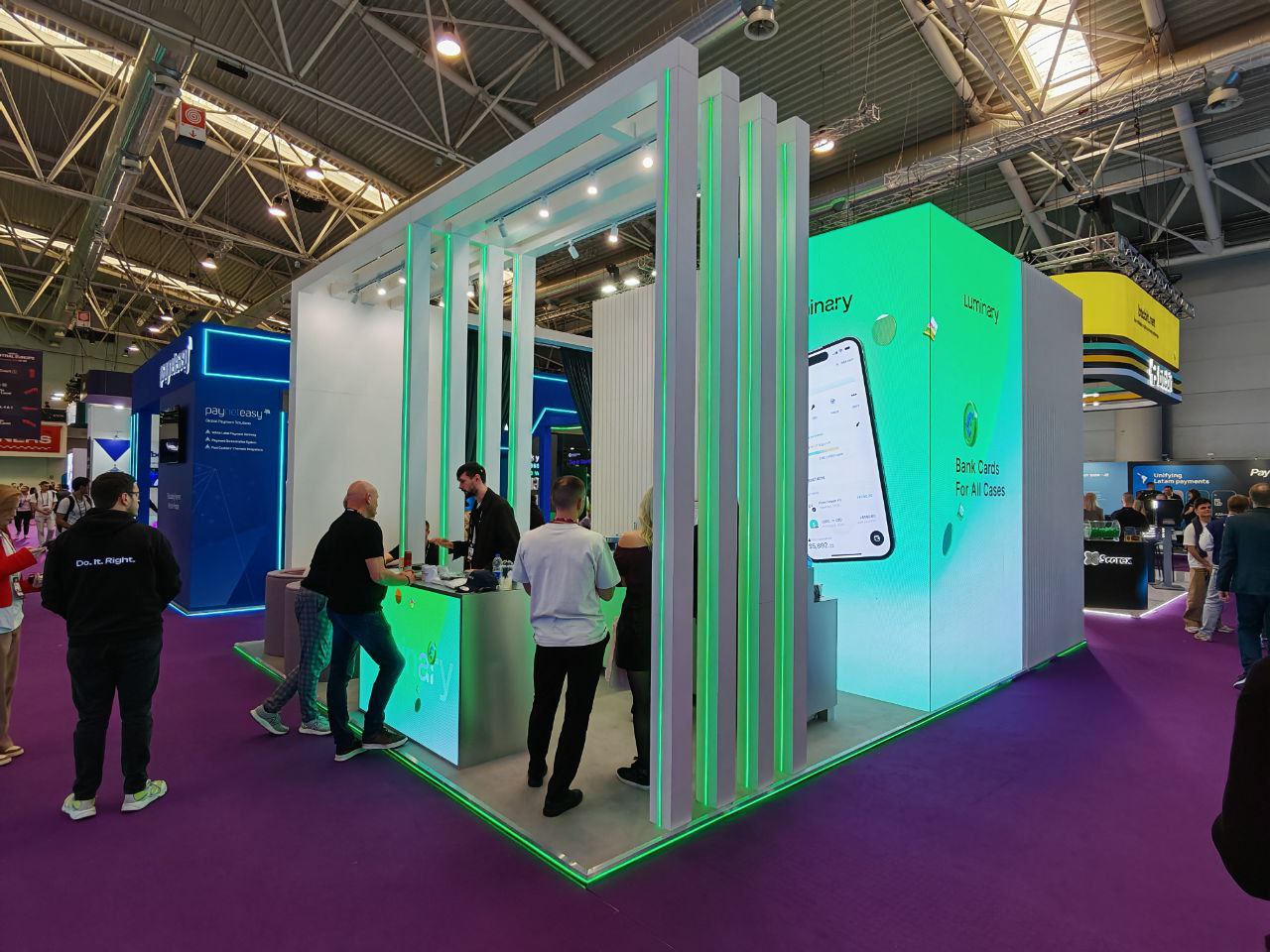
Walls kill traffic. High counters or closed backs drop walk-ins by 40-60%. Go open: clear views inside, easy demo peeks without pressure, and multiple ways in.
Open isn't bare—layer zones to draw folks deeper. Data from our builds shows booths with 3+ open sides spark 2.3x more chats. Islands (all sides open) rule, but even linear spots win with angled setups.
Modular Systems for Flexibility
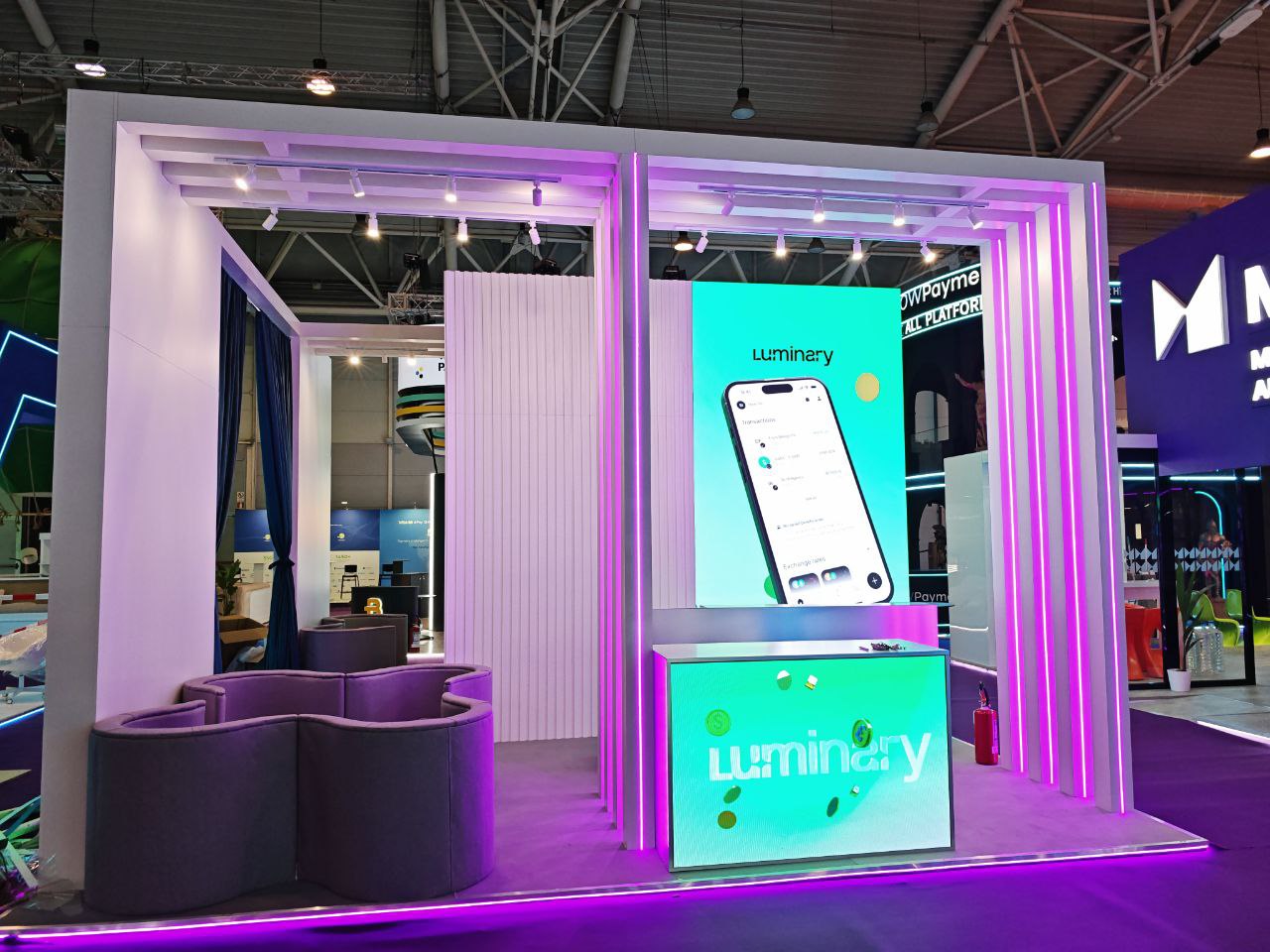
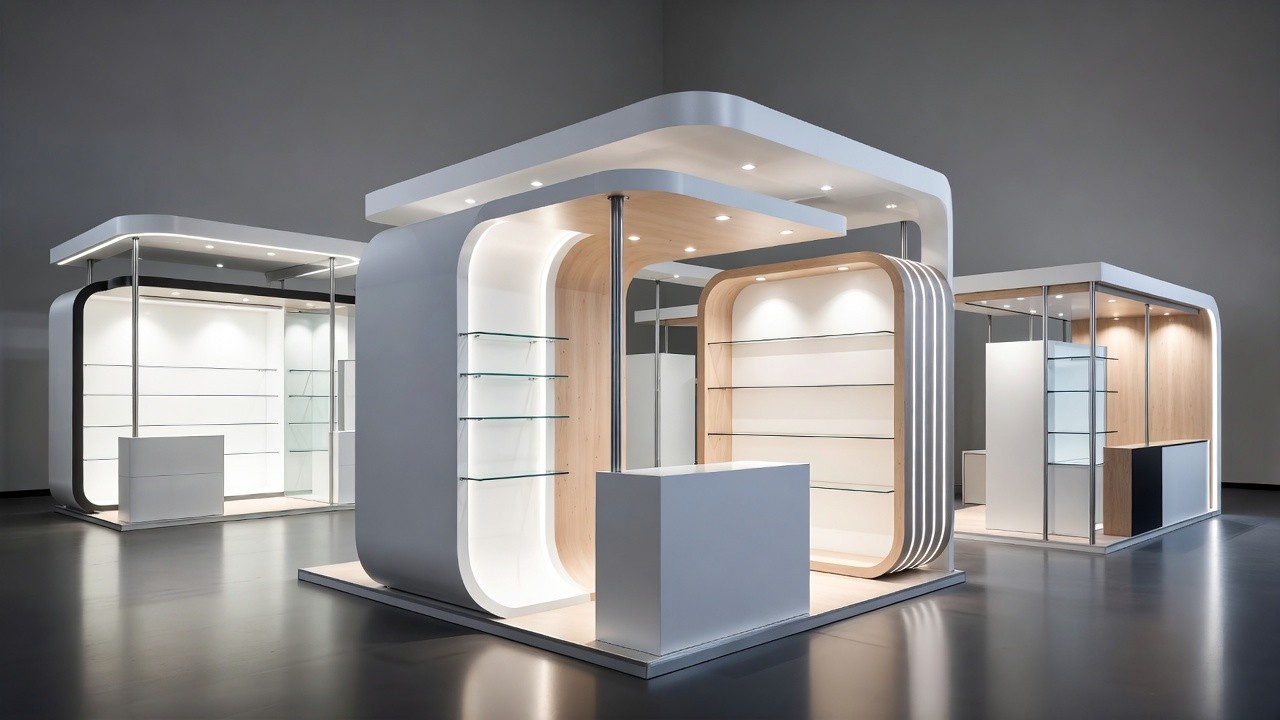
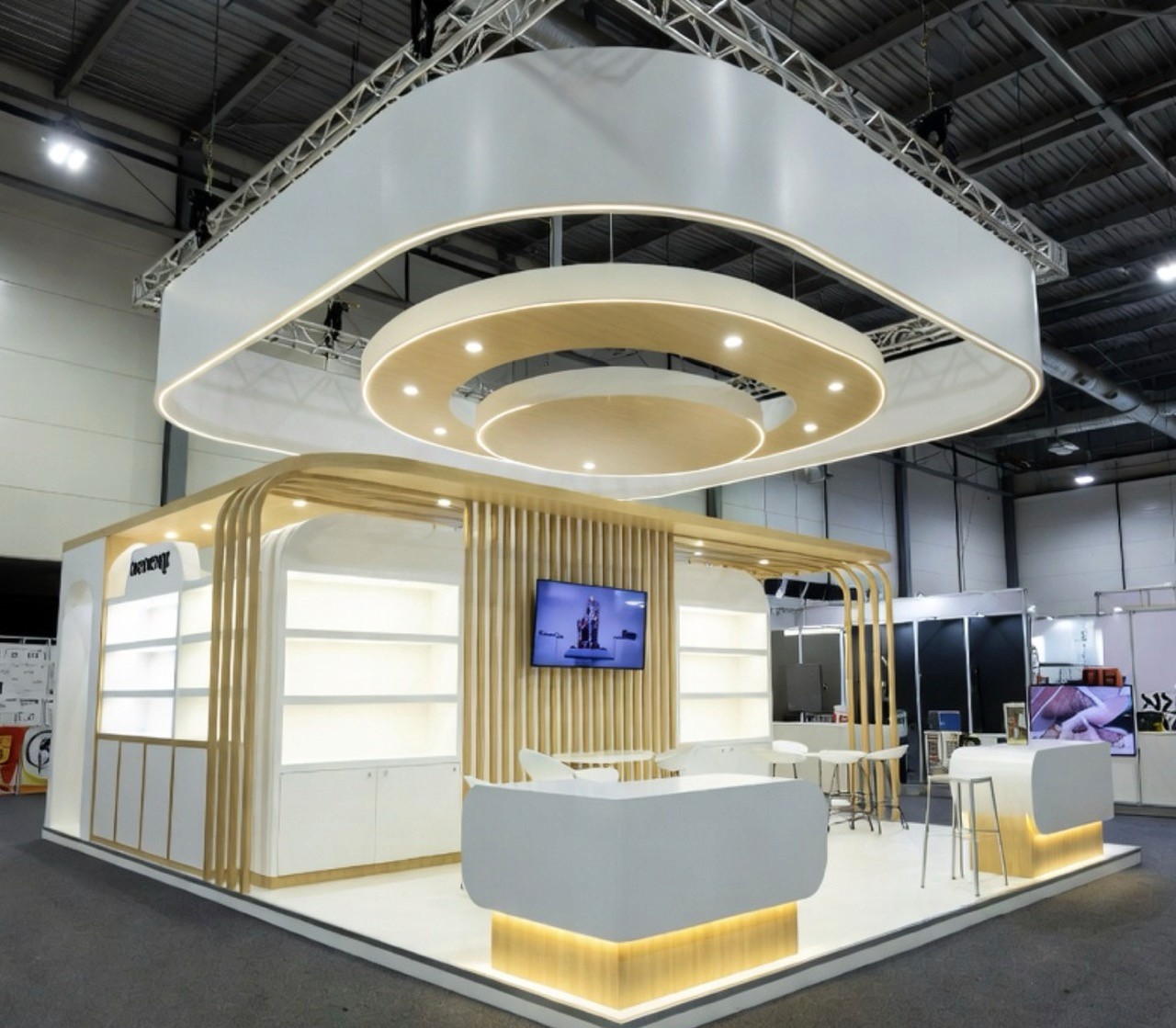
Modular isn't "budget" anymore—it's pro-grade with custom touches like fabrics, lights, and extras. Build it once, tweak for any show: a 20x20 island flips to a 10x30 or dual 10x20s.
Why now? Shows are scattered—regionals, niches, tests. Modular adapts without rebuilds, saving time and cash.
Want more on zoning for better flow, phygital trends, and neuro-inclusive designs that drive real engagement? Read our complete 2026 design guide
Real Sustainability Moves
It's mandatory for many: eco-materials in RFPs, show carbon tracking. Focus on light aluminum (40-60% less emissions), reusable fabrics over vinyl, and long-life designs.
Upfront cost? Higher. But over 5 shows, you skip waste fees and emissions. We keep it real—no green hype, just math on reuse ROI.
Builder Insight: Failing designs ignore flow, chase looks over use. Winners highlight your offer, comfy spots, and easy access for your team and visitors.
Breaking Down Trade Show Booth Costs in 2026
No more vague quotes. Here's straight talk on pricing, with full scopes including everything.
Pricing by Booth Style
Factors: size, features, tech, own vs. rent. These are all-in for one show—structure, visuals, transport, drayage, labor.
Booth Style | Size Range | Cost Range | Ideal For |
|---|---|---|---|
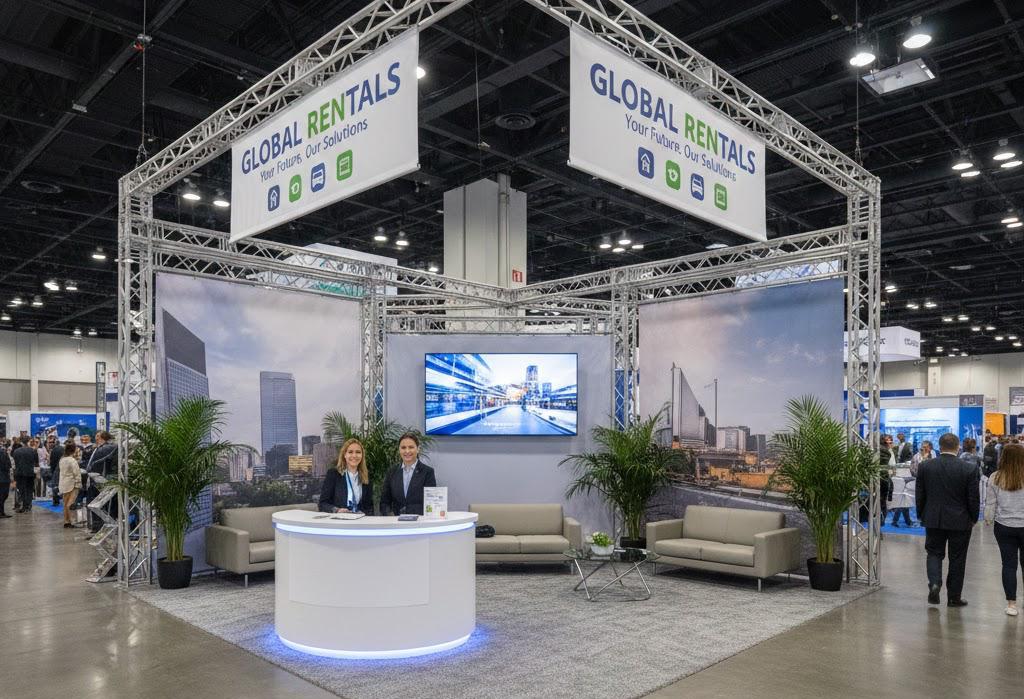
Basic Rental | 10x10 to 10x20 | $18,000–$43,000 | Newbies, one-offs, event trials |
Modular Hybrid | 20x20 to 20x30 | $50,000–$95,000 | Multi-shows (3+ yearly), flexible brands |
Custom Build | 20x30 to 40x40+ | $100,000–$250,000+ | Big brands, signature events, long-term spots |
Base on standard venues; unions or tech bump 25-40%. For Framingham-area folks eyeing Boston shows, factor those surcharges early.
For a deeper breakdown of hidden fees, drayage surprises, and real exhibitor examples, see our straight-talk cost guide: Trade Show Booth Cost in 2026: Straight Talk Breakdown for Real Exhibitors.
Labor and Drayage Realities
These sneak up. Drayage is weight-based (CWT), varying by city and method. Unions add mins like 4 hrs at $140-180/hr, plus oversight.
Toughest spots: Chicago, Boston, NYC, Vegas—same job costs $28k vs. $12k in Orlando. Why? Rules ban DIY—electricians for plugs, handlers for moves. Make venue choice part of your math; tight budgets? Skip unions.
When Ownership Pays Off: 3-Show Math
Rent for 1-2 shows; buy for 3+. A $50k modular over 3 events = $16,667 each. Renting? $25-30k per ($75-90k total). Break even at 2.3 shows, plus resale value (60-70%).
Quick Calc:
Tally annual shows.
Rental total = shows x avg rent.
Ownership = buy price + $2-4k yearly storage.
Depreciate 20-30% over 3 yrs.
If own < rent by show 3, buy.
Custom, Modular, or Rental: Pick Smart
Don't chase "custom" dreams—match to your plan.
Custom Booths
Full freedom for unique shapes or materials. Best for stable, 5+ year runs at one spot or venue-owned installs.
Downsides: Hard to change, heavy (double drayage), custom fixes. Resale tough unless exact match.
Modular Booths
2026 go-to: Custom looks with swap-and-go ease. Lighter packs cut drayage 40-60% (8-10 cases vs. 18-22).
Not bland—add brand graphics, tech. Get quality + adaptability.
Rental Booths
For 1-2 shows, tests, no storage. Save upfront, but pay premiums each time, limited tweaks.
Comparison Table:
Factor | Custom | Modular | Rental |
|---|---|---|---|
Design Freedom | High | High | Low |
Reconfigurability | Low | High | N/A |
Logistics Cost | High | Medium | Medium |
Break-Even | 5+ shows | 2-3 shows | N/A |
Best For | Flagships, fixed spots | Multi-events | Tests, low volume |
If you're leaning toward rentals for 1–2 shows or testing events, check our full 2026 rental pricing guide for size-specific bundles, union adjustments, and comparisons: Trade Show Booth Rentals 2026: Pricing Guide – Level Booths.
Navigating Logistics Pitfalls
Blame games happen, but issues stem from shows, venues, carriers. Plan to dodge them.
Shipping Risks
10-15% shipments fail—damage, delays. Pack spares (graphics, parts) adding 5-8% weight but saving disasters.
Avoid cheap carriers; $2k savings can cost $15k in fixes.
City-Specific Union Rules
Chicago? No touching chairs or plugs—trades only. Fines for breaks. Get builder estimates per trade/hour upfront.
Timeline to Avoid Messes
Start 90-120 days out:
90 days: Lock design, start build.
60 days: Final graphics, ship plan.
30 days: Order services (power, etc.), labor details.
14 days: Ship out.
3 days: On-site arrival.
You handle: Assets on time, quick approvals, official orders. Builder: Shipping safety, I&D coord, fixes.
Measuring Your Trade Show Booth ROI
Ditch badge scans—80% leads ghost, only 12-15% buy.
Why Scans Suck
Quick, unqualified. Real value? Deep talks on needs, timelines, budgets.
Smarter Tracking
Use Qualified Engagement Minutes (QEM): 10-min buyer chats > 50 scans. Add booth time, demo finishes, post-show sales speed.
Design for it: Seats for talks, group demos, low-pressure staff spots.
ROI To-Do List:
Set lead quals pre-show.
Train on key questions.
Log QEMs.
Track sales flow.
Cost per qual chat.
Vs. other channels.
Data-driven tweaks.
Picking a Solid Trade Show Booth Builder
Plenty of duds—spot them early.
Key Questions
Who runs logistics? (They should.)
Breakage plan? (Spares, on-site help.)
Install presence? (PM + crew.)
Warning Signs
Fuzzy pricing = surprises.
No labor breakdown = overages.
No reuse talk = short-term focus.
What Good Looks Like
Clear costs/timelines, full logistics, strategy advice—even if it means smaller booths.
Quick FAQs on Trade Show Booths
How much for a 2026 trade show booth? Rentals: $18k-$43k (10x10-20). Modular: $50k-$95k (20x20-30). Custom: $100k+ (larger). Includes all.
Custom worth it? For 5+ years same spot or unique needs. Modular better for most on ROI.
Best size for startups? 10x20 or 20x20—room for demos without overload.
Planning timeline? 90-120 days to avoid rushes/fees.
Costliest cities? Boston, Chicago, NYC, Vegas, SF—35-45% more.
Wrapping Up: Smart Exhibiting in 2026
Prioritize returns, clear deals, and adaptable setups. Modular fits most for quality + savings. Custom for anchors, rentals for dips.
Winners question costs, qual over quantity, and team with honest builders.
Ready to plan? Level Booths focuses on real goals—reuse, logistics, results. Drop us a line for a chat tailored to you.