Education

Trade Show Booth Fabrication 2026: Complete Guide for Custom Exhibits
Every exhibitor learns this lesson the hard way: stunning booth design means nothing if fabrication fails. A warped panel on opening day, a crate stuck at the dock, or a graphic seam glowing under hall lights—these are fabrication problems, not design flaws. In 2026, top brands invest heavily in the trade show booth fabrication process itself.
The industry has shifted. Modular aluminum systems now replace heavy, single-use wood builds. Logistics drive engineering from day one. Enterprise ESG rules push fabricators toward materials with 3–5-year reuse lifecycles. This guide covers the full custom exhibit fabrication process, dominant materials, realistic timelines, hidden costs, and how to pick the right partner for your next show.
For a full cost breakdown to pair with this fabrication guide, see our Trade Show Booth Cost in 2026: Straight-Talk Breakdown
What Trade Show Booth Fabrication Means in 2026
Design creates the vision—renders, brand flow, strategy. Fabrication turns it into reality: a structure that survives freight, assembles fast (often 4 hours with 2 people), and supports heavy AV without wobble.
The process includes structural engineering, CNC routing, metalwork, finishing, tension fabric graphics, AV integration, and full prebuild validation—all before crating.
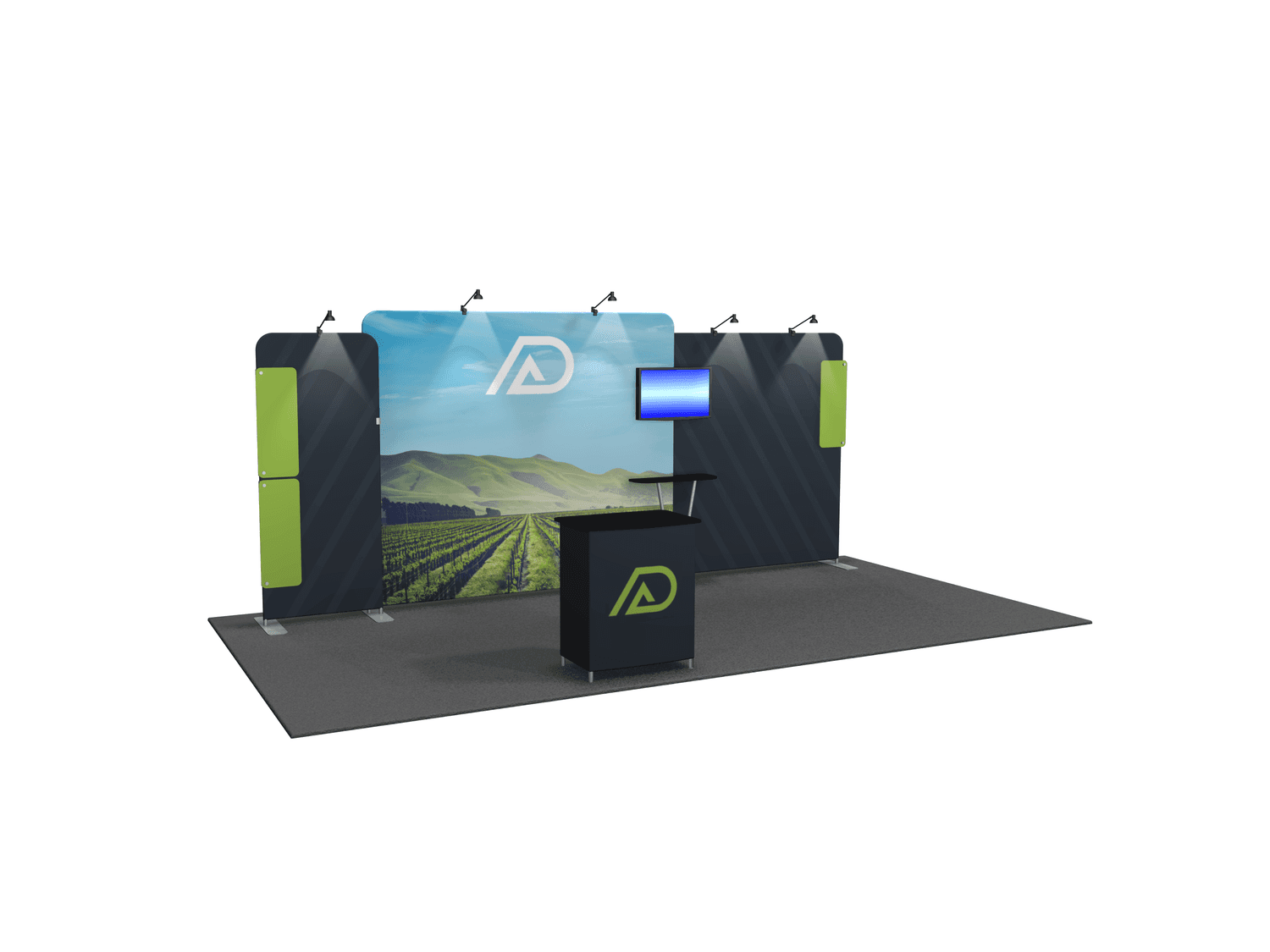
MDB-203 | 10'x20' portable exhibit display system
Fabrication vs. Booth Design
Design sets intent. Fabrication makes it structural and practical. A render shows a backlit header; fabrication specs the steel bracket, LED channel, power routing, and rigging compliance.
Good fabricators start from show-floor limits (weight, union rules, drayage) and work backward.
Why Fabrication Quality Drives Show ROI
High-quality booth fabrication cuts weight for lower drayage, speeds install to reduce union labor, and enables reuse across 3–5+ shows. A hybrid booth lasting five events at 20×20 has far lower per-show cost than a one-and-done build.
See the full 2026 exhibitor numbers and budgeting tips in our Trade Show Booth 2026: Your No-Nonsense Guide for Exhibitors.
The Trade Show Booth Fabrication Process (2026 Standard)
The workflow is linear—compressing steps creates downstream pain.
Discovery & Concept (4–8 weeks) — Define goals, flow, AV needs, storage, footprint limits. Skipping this leads to structural conflicts later.
Engineering & Detailing (2–3 weeks) — Produce CAD drawings, CNC files, locked bill of materials (BOM). Changes here trigger 30–40% rework costs.
Fabrication & Assembly (4–6 weeks) — In-house CNC, welding, painting, AV mounting, graphics. Includes full shop prebuild.
Graphics & Finishing (1–2 weeks) — Print, apply seamless tension fabrics, textures.
Prebuild & QA (1 week) — Assemble entire booth in shop, inspect fit/finish, document with photos/video. This step prevents onsite disasters.
Logistics (1 week) — Optimize crates for freight, avoid surcharges.
Quick-reference timeline table:
Phase | Duration | Key Deliverable | Main Impact |
|---|---|---|---|
Discovery & Concept | 4–8 weeks | Renders & specs | Sets realistic constraints |
Engineering | 2–3 weeks | CAD + BOM | Locks costs & materials |
Fabrication | 4–6 weeks | Physical build | Highest labor/material spend |
Graphics & Finishing | 1–2 weeks | Printed surfaces | Brand impact |
Prebuild & QA | 1 week | Shop assembly + sign-off | Avoids costly onsite fixes |
Logistics | 1 week | Crating & shipping | Controls freight/drayage |
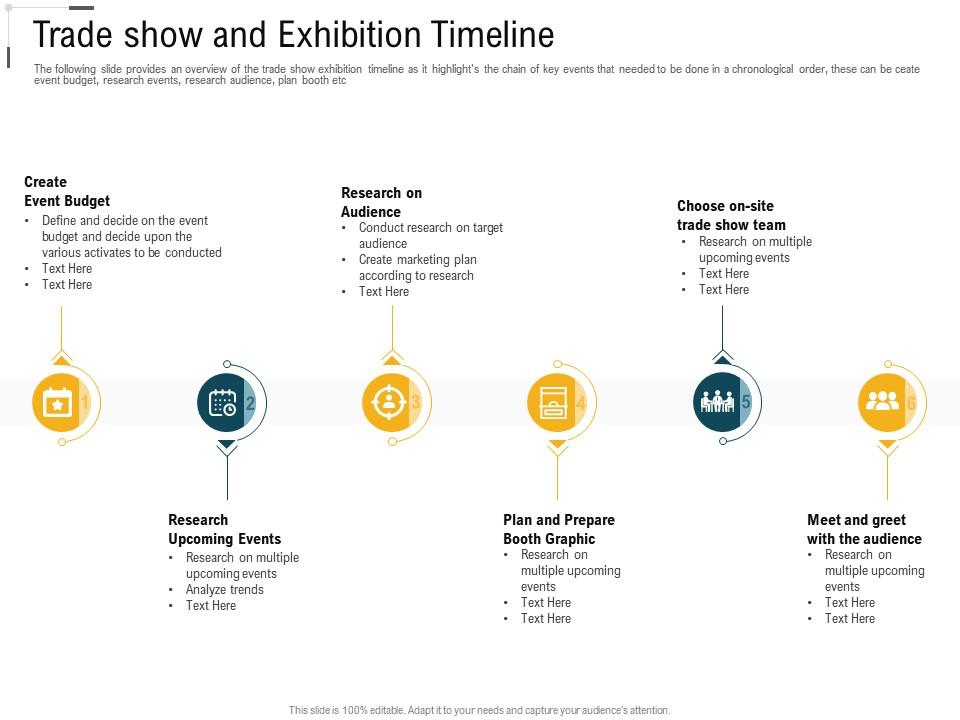
Top 10 Exhibition Booth PowerPoint Presentation Templates in 2026
Materials Used in Modern Exhibit Fabrication (2026 Landscape)
Heavy wood frames are fading. Lightweight, reusable systems dominate due to drayage savings, ESG demands, and multi-show ROI.
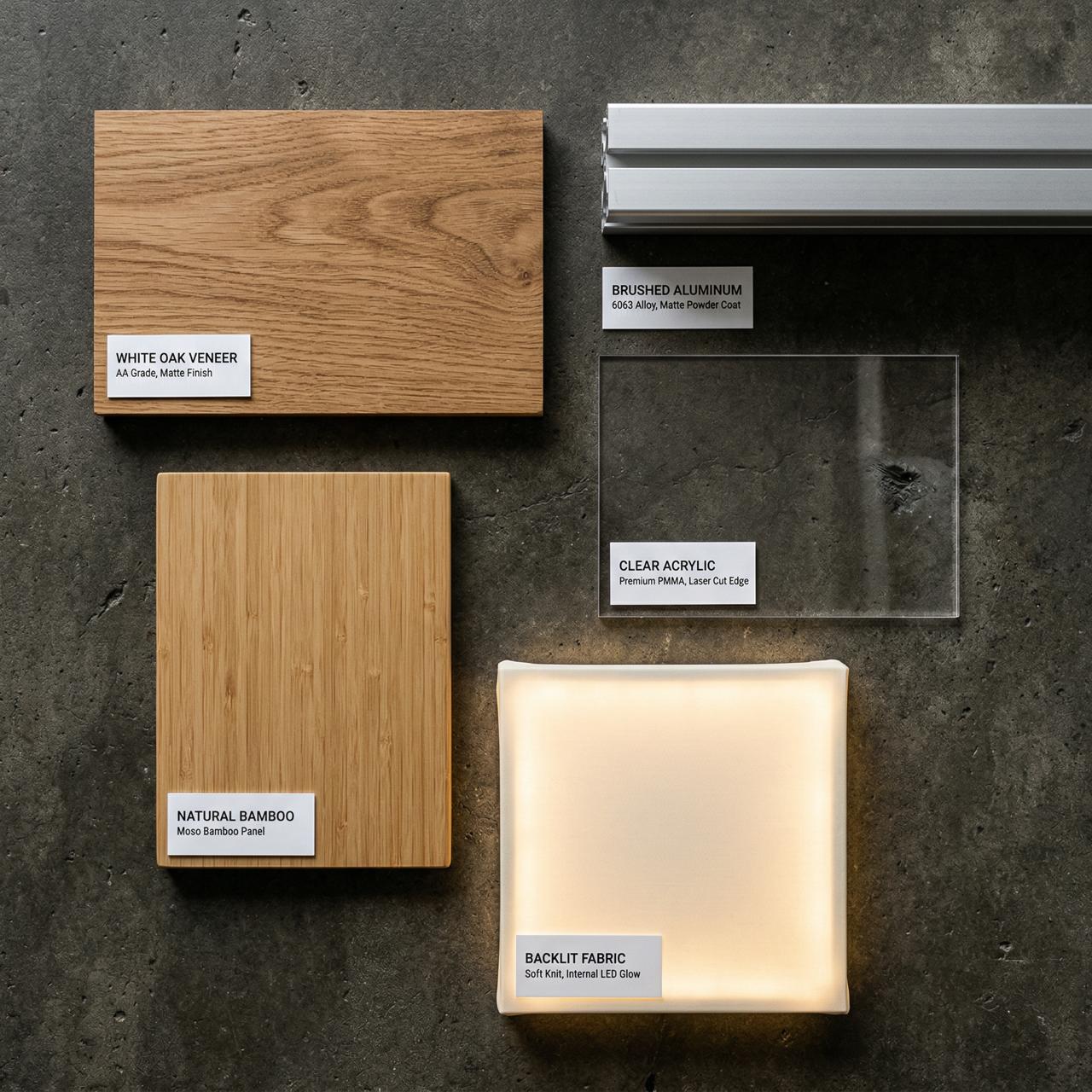
Aluminum Extrusion (e.g., 6063-T5 profiles): Lightweight, tool-free assembly, 80% reusable across shows. Ships 50% lighter than wood—huge drayage win. Higher upfront cost, but best for modular/hybrid builds.
Tension Fabric: Seamless, vibrant graphics; replaces warping foam/gator board. Zero refinishing, tool-free stretch—ideal for walls/counters.
Laminated Wood / Hardwood Veneer: Warm premium feel for cabinetry. Heavier, limited reuse unless paired with modular frames.
Acrylic / Polycarbonate: Clean modern look for headers/displays. Scratch-prone; best for accents.
Reclaimed Wood / Bio-Plastics / Recycled Alloys: Strong ESG signal. Meet enterprise RFPs, reduce waste, boost brand perception. Sourcing takes longer but pays off in procurement and audience appeal.
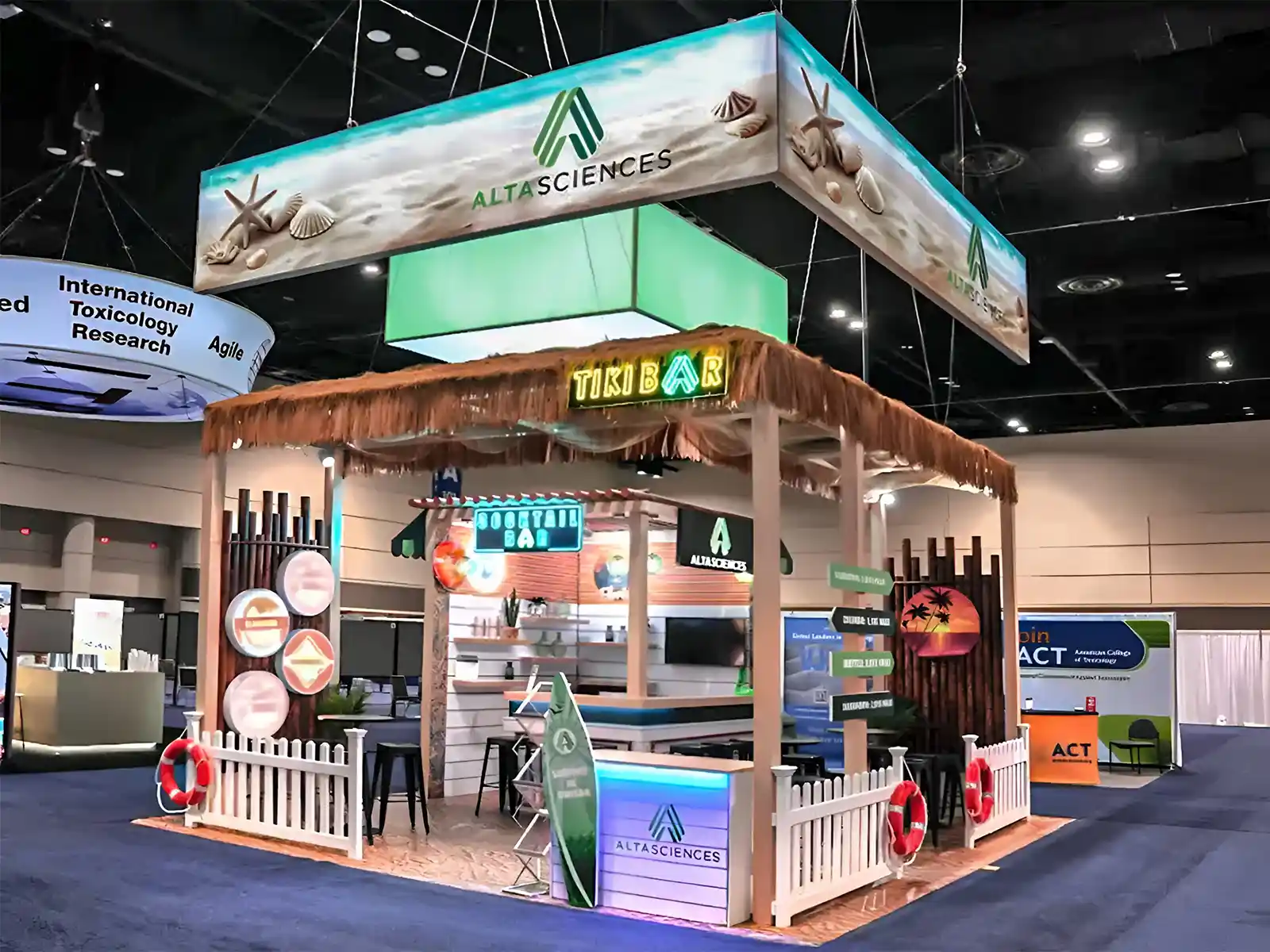
Why Aluminum Modular Systems Dominate 2026 They solve weight, reusability, and flexibility at once. Keep the frame; swap graphics/features per show. Recycled aluminum + water-based finishes align with sustainability trends.
Custom Trade Show Booth Builder | Exhibits on Rent
Fabrication Timeline: Realistic Expectations
Full timeline includes approvals and lead times—not just shop production.
10×10: 6–8 weeks
20×20 custom/hybrid: 12–16 weeks
Island booths: 16–20 weeks
Multi-story: 20+ weeks
Late changes (especially structural) add 30–40% to costs via rush sourcing and rework.
For detailed 20×20 pricing examples, design options, and ROI calculations that complement these timelines, read our 20×20 Trade Show Booth 2026: Complete Cost, Design & ROI Guide.
Hidden Costs & How to Avoid Them
Drayage Trap: Charged per hundredweight. Aluminum/tension fabric cuts 2,000+ lbs → $4,000–$7,000 savings per show at high-rate venues.
Logistics-First Design: Optimize crates early to dodge dimensional surcharges and overtime.
Others: Union electrical/AV minimums, warehouse fees, storage between events.
Choosing the Right Trade Show Booth Fabricator
Evaluate on:
In-house CNC/metalwork (not outsourced)
Shop size for your footprint
Documented full prebuild with sign-off
Clear communication & project management
Venue experience & installation crews
Storage for reusable assets
Custom vs. Modular vs. Hybrid
Custom: Max uniqueness, highest cost/time, lowest reuse.
Modular: Fast, cheap, reusable, less distinctive.
Hybrid (2026 winner): Reusable aluminum frame + custom features/graphics—best ROI/visual impact.
Example Fabrication Projects by Level Booths
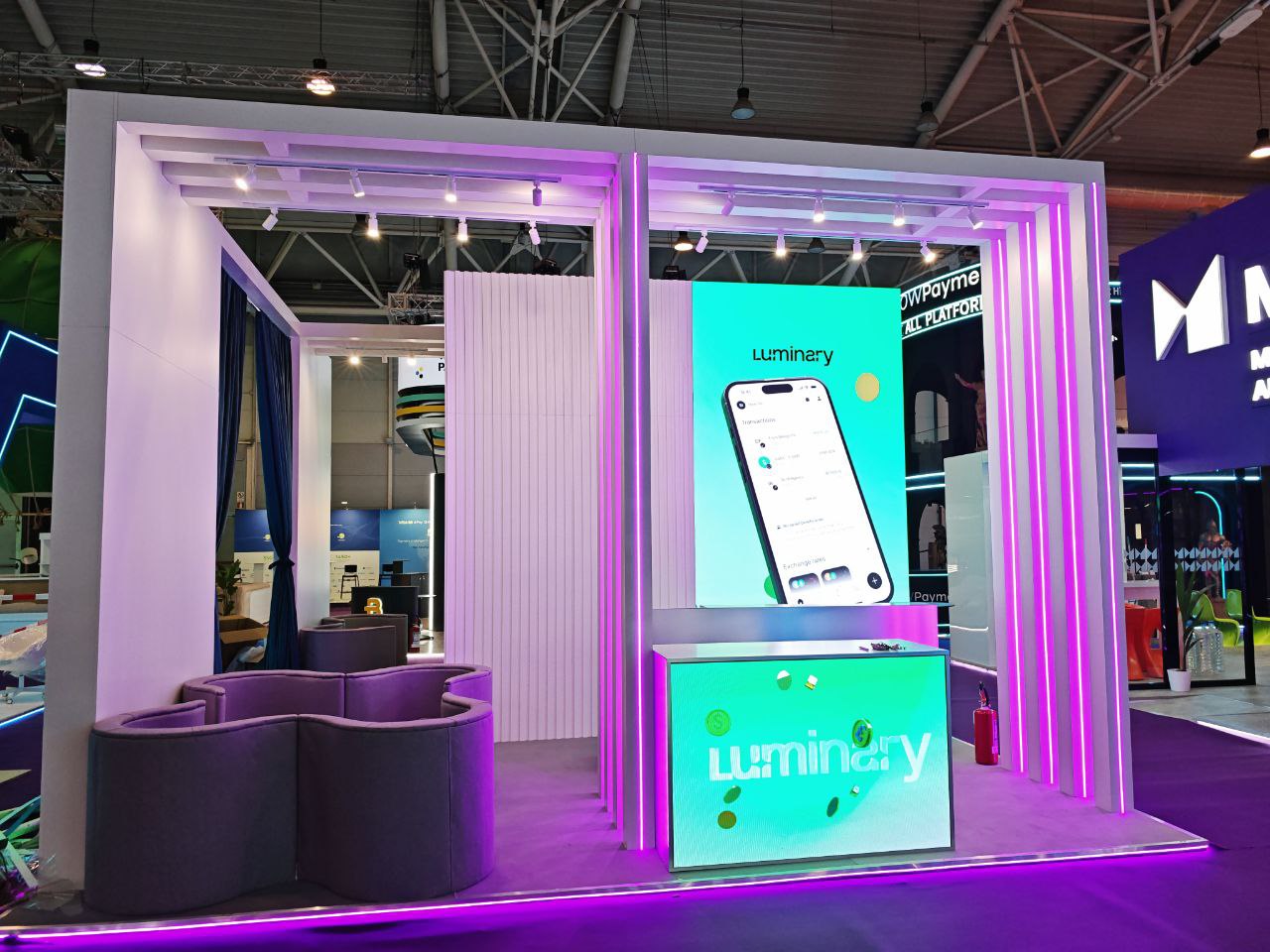
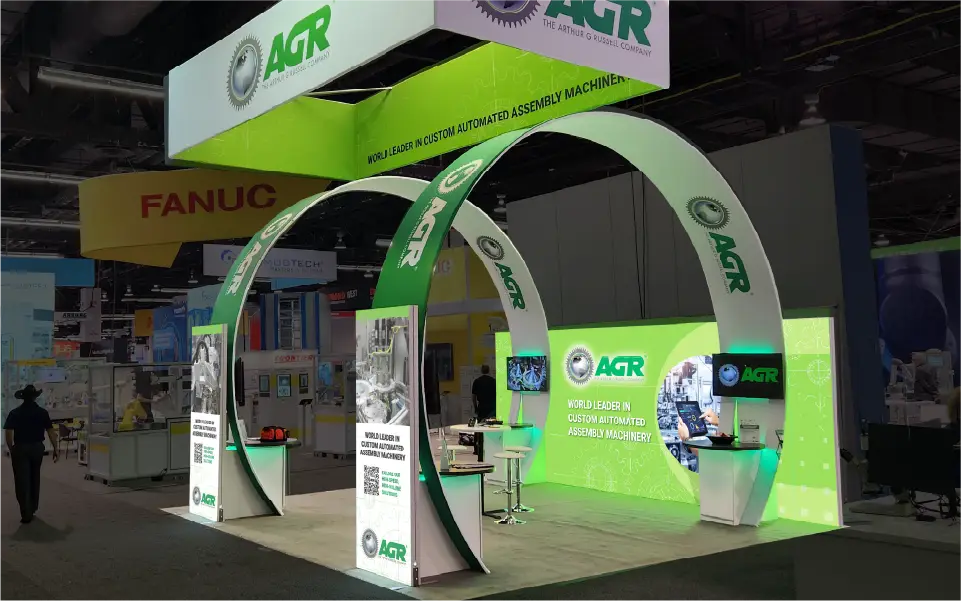
20×20 Technology Brand Booth Aluminum frame, tension fabric, LED wall, three demo stations. Shipped 1,900 lbs. 14-week build. Reused 4+ shows with graphic updates.
20x20 Custom Island Peninsula Booth | Trade Show Design
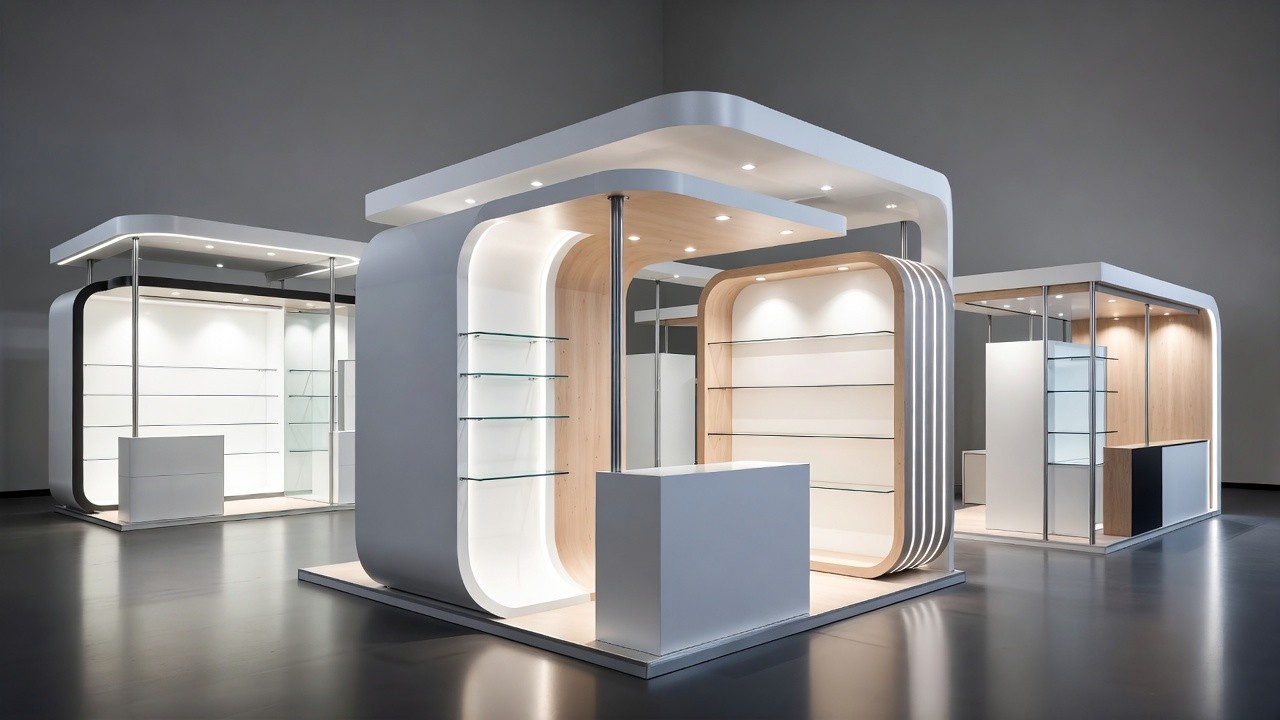
Retail Brand Island Booth Painted aluminum, hardwood cabinetry, acrylic pedestals. Prebuild caught AV issues—saved hours onsite.
Trade Show Booth Fabrication Near Major U.S. Hubs
Level Booths handles Las Vegas, Orlando, Chicago, Anaheim, Atlanta, Dallas—with venue-specific engineering to avoid compliance surprises.
FAQs About Trade Show Booth Fabrication
How much does a custom trade show booth cost in 2026? Quality 20×20 hybrid/custom: $70,000–$120,000 (~$175–$300/sq ft). Includes aluminum, graphics, AV, prebuild. Modular lower; high-AV experiential higher.
How long does booth fabrication take? 20×20 custom/hybrid: 12–16 weeks from kickoff. Start early to control costs.
Can a fabricated booth be reused? Yes—hybrid aluminum builds routinely last 3–5 shows with graphic refreshes. Plan reuse from day one for best ROI.
What’s the difference between fabrication and installation? Fabrication = shop engineering/build/prebuild. Installation = onsite assembly. Strong fabrication makes install fast and reliable.
Work With Level Booths on Your Next Exhibit
Level Booths delivers end-to-end trade show booth fabrication—strategy, design, in-house production, prebuild, logistics, install/dismantle. Every project includes reuse planning and venue expertise.
Planning a 2026 exhibit? Contact Level Booths now to discuss timelines, materials, and total ownership costs. Early engagement = more control and options.