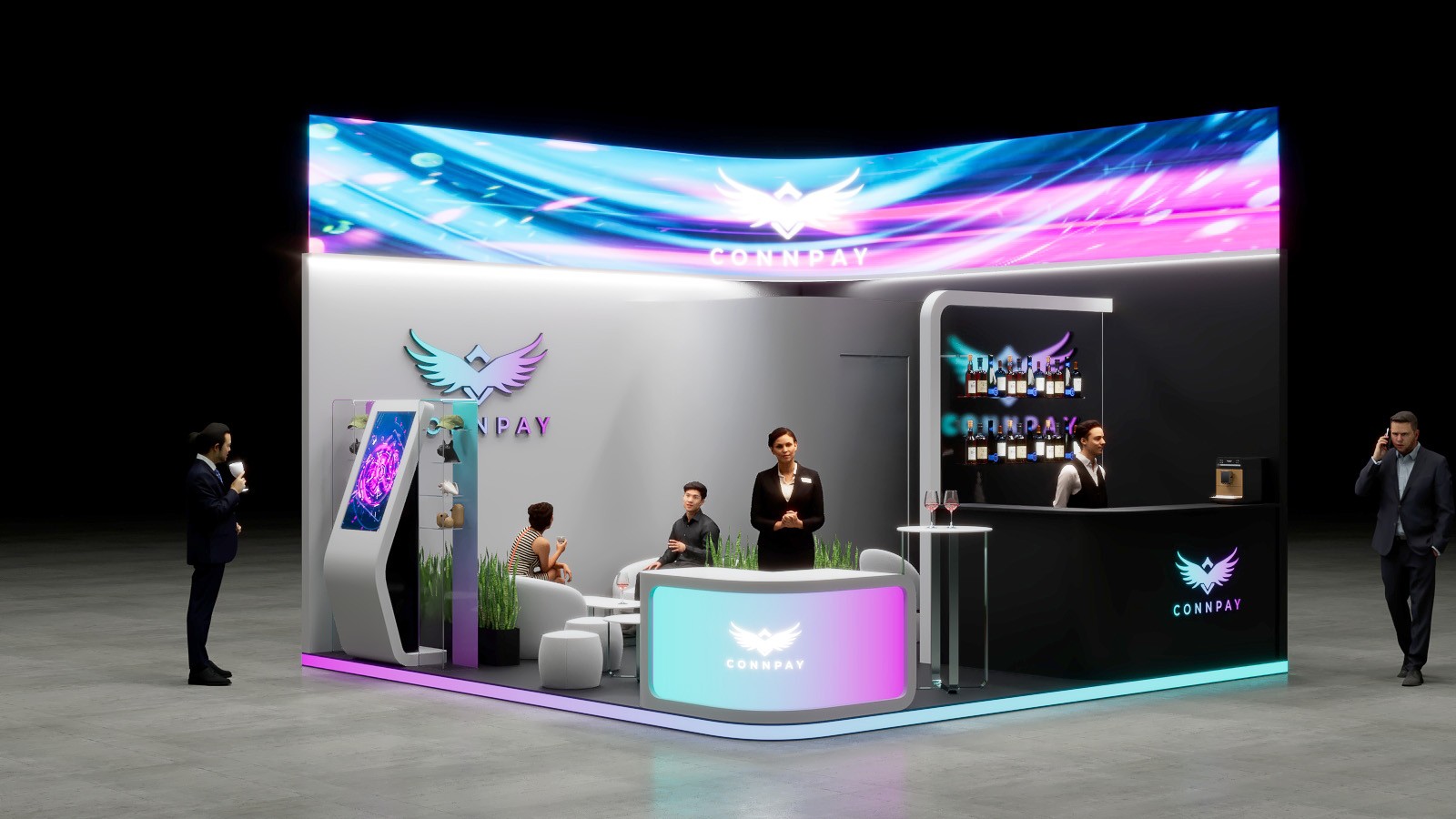
Education

Trade Show Booth Materials: 2026 Guide by Level
The materials your booth is built from are not a line item. They are a statement. Before a single attendee reads your messaging, walks into your space, or picks up your product, they have already formed an impression — shaped entirely by what they see, how the light falls, how solid the structure feels, and whether your booth looks like it belongs in this hall or stumbled in from a storage unit.
That's the real work that trade show booth materials do. And it's why the decision of what to build with is not a procurement question. It's a brand strategy question.
This guide breaks down the materials that define modern exhibit builds, how to choose them based on show tier and brand goals, how to think about total cost across a multi-show program, and how to build a strategy that compounds — instead of starting from zero at every event.
Why Materials Define Your Brand Presence
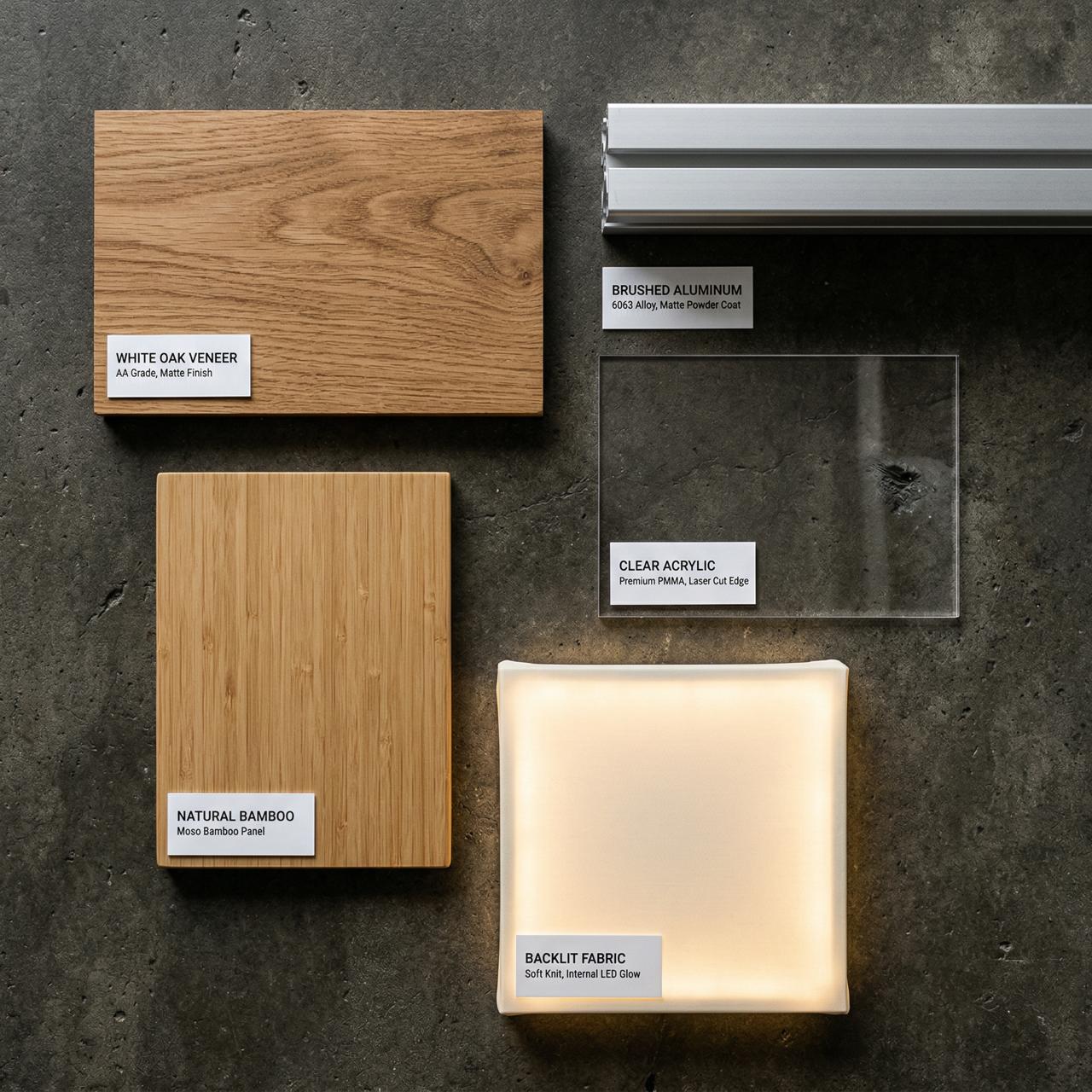
Walk a major show floor at CES, Expo West, or IMTS and you'll notice something quickly: the booths that draw people in don't necessarily have bigger budgets. They have better material intelligence. The warmth of raw white oak against an LED backlit panel. The precision of laser-cut acrylic signage catching directional light. The clean geometry of a powder-coated aluminum structure that signals "we've done this before."
Materials communicate before messaging does. They establish whether your brand is premium or commodity, considered or rushed, built to last or built for one show. Attendees — especially buyers and procurement leads — read these signals immediately and unconsciously. A booth that looks cheap generates exactly the same halo effect for your product.
Exhibitors who cut corners on trade show exhibit materials often find themselves outpresenced by competitors and unable to explain why the booth "didn't convert" despite the investment. The answer is usually visible from 30 feet away. More specifically: a booth that reads as cheap draws fewer qualified visitors, shortens dwell time, and signals to buyers that the brand they're evaluating may not be the caliber of partner they're looking for — all before a single conversation starts.
The 5 Core Trade Show Booth Materials
Every build — from a 10×10 pop-up to a 40×60 island — is constructed from the same short list of core materials. The decision is not which ones exist, but which ones earn their place in your specific program based on what each communicates, what it costs to ship, and how it holds up across six shows.
Aluminum Extrusion and Modular Frame Systems
Aluminum is the structural workhorse of the modern exhibit industry, and it's misunderstood by most brands. It's not the default for budget booths — it's the architecture for smart, scalable programs.
Modular booth build materials built around aluminum extrusion systems weigh approximately 60% less than traditional custom builds, according to industry data from Trade Show Week Magazine. They break down into cases, reassemble with minimal labor, and — this is the strategic part — they scale. A 10×20 configuration for a regional show becomes a 20×40 island at a flagship event without a rebuild.
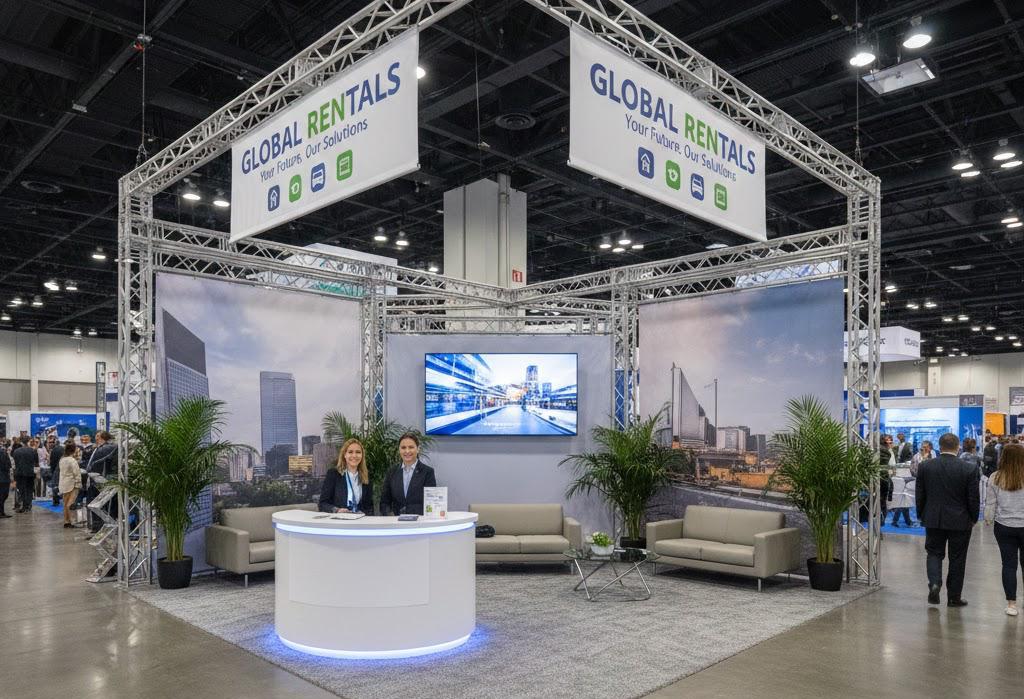
What aluminum communicates depends entirely on what surrounds it. An exposed aluminum frame with basic fabric panels reads as transactional. The same frame wrapped in brand-aligned graphics, custom counters, and integrated lighting reads as intentional and polished. Aluminum is the backbone that makes everything else possible — not the finish.
Brand perception: Neutral to premium depending on execution. High modularity. Lowest total cost of ownership across multi-show programs.
Wood: MDF, Plywood, Veneers, and Solid Hardwood
Wood brings something no other material replicates: warmth. Not warmth as a metaphor — physical, visible warmth that reads as handcraft, permanence, and quality.
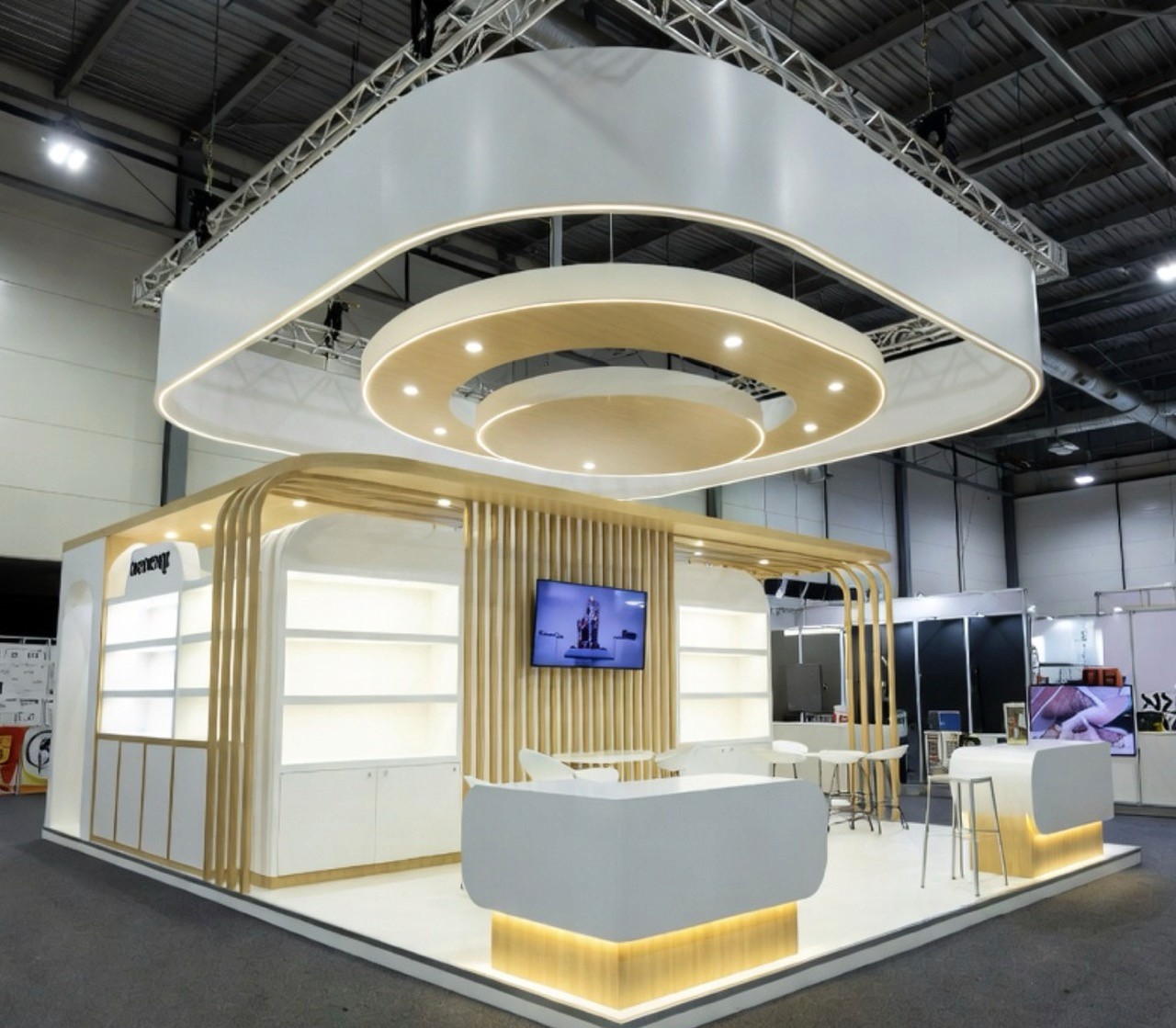
For brands in the food and beverage, wellness, luxury goods, or premium B2B space, custom woodworking within a booth structure can be the single most high-ROI spend in the build. Textured veneers, natural hardwood counters, built-in shelving with visible grain — these details anchor the brand in quality before a word is spoken.
The tradeoffs are real. Wood-heavy builds are heavier, more expensive to ship, and require more careful installation. They're less flexible across different booth footprints. But used strategically — not as the entire structure, but as the signature moments — wood elevates everything around it.
Brand perception: Premium, warm, artisanal, authoritative. Best deployed in focused hero moments rather than full-build material.
Tension Fabric and SEG (Silicone Edge Graphics) Systems
Tension fabric is the most underrated material in the exhibit toolkit. Properly executed, it transforms raw square footage into a branded environment. Poorly executed, it looks like a backdrop rental from 2012.
The difference is almost entirely print quality and frame precision. High-resolution SEG panels — where the graphic locks into a silicone-edge channel on a backlit or front-lit frame — produce crisp, vibrant, seamless imagery at scale. A 10-foot backlit fabric wall weighs under 40 lbs and ships in a carry-on-sized case, leaving weight and logistics budget for structural elements.
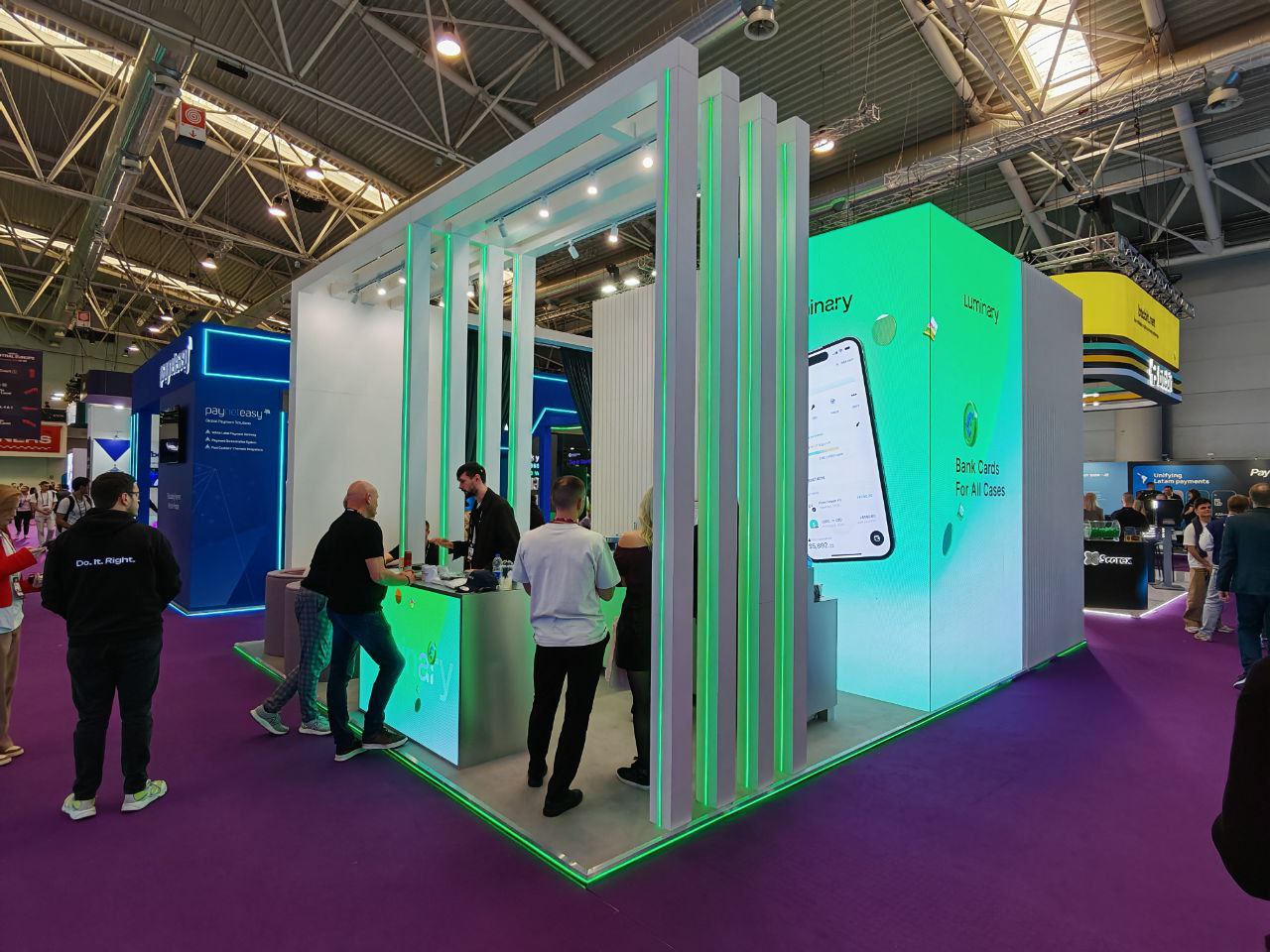
Tension fabric excels at transforming space. Combined with aluminum framing and strategic lighting, modular booth materials built around SEG systems can produce hospitality-level environments that feel like rooms, not stalls.
Brand perception: Variable — from premium to generic depending on execution. Excellent for immersive environments and large-format brand imagery.
Acrylic and Glass
Acrylic is precision. In a booth context, it functions best as a detail material: product display cases, backlit branded signage, countertop surfaces, illuminated logo elements, and light-diffusion panels.
When light hits acrylic edges — especially laser-cut or shaped acrylic — the effect is disproportionately premium relative to cost. For tech, pharma, and luxury brands, acrylic elements signal exactness and modernity.
Glass carries similar visual qualities but with significantly higher fragility and shipping complexity. Tempered glass details are occasionally worth it in flagship builds where aesthetic impact outweighs logistics risk. In most multi-show programs, acrylic achieves the same result with far less exposure.
Brand perception: Sleek, modern, precise, high-end. Best as a detail or accent material rather than a structural one.
Sustainable and Specialty Materials
Reclaimed wood, FSC-certified panels, recycled PET fabric, bamboo, and specialty surfaces like Kirei board (made from agricultural waste) are now viable, available, and used by leading exhibit builders.
The material decision here has two dimensions: environmental and narrative. Recycled PET fabric for graphic panels reduces landfill waste and is fully recyclable. Bamboo grows faster than any hardwood and machines cleanly. Reclaimed wood carries visible history — it's a texture no showroom-fresh material can replicate.
From a brand signal perspective, sustainable trade show booth materials communicate that your company makes intentional choices. For brands with active ESG commitments or sustainability-conscious audiences, this isn't optional positioning — it's table stakes.
Comparison Table: Trade Show Booth Materials by Key Decision Factors
Material | Brand Perception | Portability | Modularity | Initial Cost | Multi-Show Reuse | Best Use Case |
Aluminum | Neutral → Premium | Excellent | Excellent | $$ | Excellent | Multi-show programs, scalable footprints |
Wood (custom) | Premium / Warm | Limited | Limited | $$$$ | Good | Flagship shows, hero moments, brand statements |
Tension Fabric / SEG | Variable | Excellent | Excellent | $ | Excellent | Large-format graphics, immersive backdrops |
Acrylic | Sleek / Modern | Good | Good | $$$ | Good | Product display, signage details, light elements |
Sustainable / Specialty | Premium / Intentional | Good | Good | $$$ | Good | Brand storytelling, ESG-forward audiences |
Choosing Materials by Show Tier
Not every show deserves the same material strategy. One of the most expensive mistakes exhibitors make is building to a single standard across all their shows — either over-investing in a regional event or under-presenting at the show that matters most.
Flagship Shows (CES, Expo West, IMTS, NAB, SXSW)
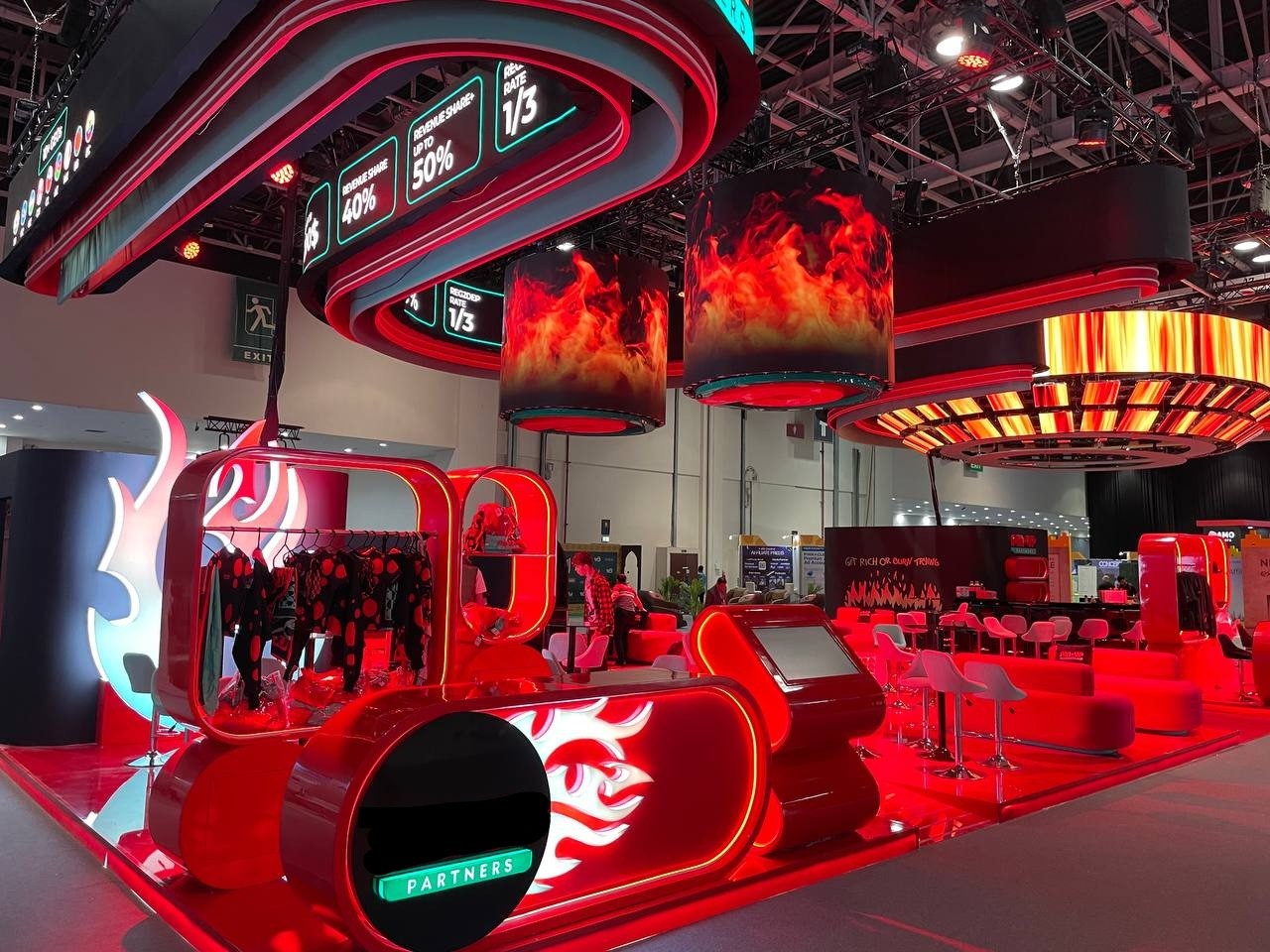
These are the events where your competitors bring their best work, your customers come to evaluate, and press coverage is in play. The investment calculus shifts. Custom woodworking, acrylic detailing, integrated A/V, sustainable specialty surfaces — this is where those choices justify their cost. At Level, flagship builds are treated as brand installations, not booths.
Recommended primary materials: Custom wood accents, aluminum structural base, backlit SEG graphics, acrylic signage details, specialty/sustainable elements for brand story.
Regional and Vertical Industry Shows
Regional shows require a different equation: strong presence without over-investing in single-event builds. Modular aluminum systems with high-quality graphic panels and one or two custom elements (a branded counter, a feature wall) deliver professional, brand-consistent execution at a fraction of flagship cost — and the structure travels well to the next show.
Recommended primary materials: Aluminum modular system, tension fabric SEG walls, custom-printed graphics, one statement detail (wood counter or branded acrylic).
Roadshows and Multi-City Programs
When the same booth needs to perform in five cities over six weeks, logistics become the deciding variable. Custom trade show exhibit materials that require specialized install crews, freight forwarding, or crating are liabilities at scale. The roadshow booth is an exercise in precision portability: modular cases, sub-40-lb components, tool-free setup, consistent graphic quality.
Recommended primary materials: Lightweight aluminum, pop-up fabric systems, table-top acrylic elements, carry-case packaging.
The Hybrid Build Strategy: Why the Best Booths Combine, Not Choose
The false choice in exhibit design is modular versus custom. In practice, the most effective builds use both — and the allocation is strategic.
The Level approach starts with a modular aluminum architecture as the scalable foundation: dimensioned to reconfigure from a 10×20 inline to a 20×40 island without a new structural order, engineered to ship in fewer than ten cases, and spec’d for tool-free setup by a two-person crew. On top of that architecture, we identify two to four custom-fabricated moments — a CNC-milled hardwood hospitality counter, a backlit acrylic brand mark, a textured specialty surface on the back wall — selected specifically for that client’s brand, audience, and show context. These elements are what attendees photograph, what competitors can’t replicate with a kit system, and what makes the booth feel purpose-built even when the structure underneath it is precision-portable.
The result: an exhibit that ships in eight cases, sets up in four hours, and looks like it was built for this show specifically. This is what separates a disciplined custom trade show booth materials strategy from both the "maximum custom" trap (heavy, expensive, inflexible) and the "full modular" compromise (functional but forgettable).
Sustainability as Brand Signal
The sustainability conversation in the exhibit industry has moved past greenwashing. Brands that arrive with single-use builds and no reuse strategy are now conspicuous — not in a good way. Procurement-led buyers, sustainability-focused event hosts, and ESG-conscious attendees notice.
The stronger argument for sustainable exhibit design materials is not compliance — it's positioning. Reclaimed wood tells a story. Recycled PET fabric means your 10×20 backdrop gets refreshed rather than landfilled. A refurbishment program — where Level rebuilds and refreshes structural elements between shows — reduces material waste while extending the life of your investment.
For brands with active sustainability commitments, the booth is a proof point. Building with FSC-certified wood, aluminum (infinitely recyclable), and recycled fabric isn't a marketing checkbox — it's alignment between what you say and what you build.
Total Cost of Ownership: Initial Build vs. Multi-Show Amortization
The most common financial mistake in exhibit planning is evaluating materials on initial build cost alone. The number that matters is cost-per-show over the life of the program.
A custom wood-heavy build at $80,000 might deliver stunning results at the first show. But if it can't be reconfigured for a different footprint, requires a dedicated install crew, and costs $8,000 per show in freight and storage, its five-show total exceeds $120,000.
A hybrid aluminum + custom moments build at $55,000 — designed for modular reconfiguration, tool-free setup, and component reuse — might cost $2,500 per show in logistics. Five-show total: under $70,000, with a booth that scales from 10×20 to 20×40 without a rebuild. Check out the blog about pricing here.
This is the TCO framework Level applies to every program: first build cost, show logistics (freight, drayage, install labor), storage, refurbishment, and refresh cycle. The material selections that look expensive upfront often deliver the lowest amortized cost.
Production Insights from the Level Team
The details that separate a great build from an average one are almost never visible in renderings. They emerge in fabrication.
Wood grain direction matters. A panel cut against the grain telegraphs "cost-cut" to anyone who runs a hand across it. Powder-coat color on aluminum framing should match brand color with delta-E precision, not approximate it. Backlit fabric panels require specific print profiles — the same file that looks perfect front-lit will wash out behind LED panels without profile correction.
At Level, we apply a "show floor test" during every build review: does this look intentional from 20 feet, 10 feet, and 3 feet? At distance, structure and color carry the impression. At 10 feet, proportion and graphic quality take over. At 3 feet — where the actual conversation happens — material finish and craftsmanship either confirm the brand promise or undermine it.
Installation sequencing is the variable most brands underestimate. The most considered custom trade show booth materials spec can be compromised by steps executed in the wrong order — a wood panel installed before the aluminum frame is fully tensioned, a backlit graphic mounted before power routing is confirmed. At Level, material specifications and installation runbooks are developed in parallel, so the build that leaves the shop floor arrives on the show floor the way it was designed.
FAQ: Trade Show Booth Materials
What are the most durable trade show booth materials for frequent exhibitors?
Aluminum extrusion systems are the most durable choice for multi-show programs. They're corrosion-resistant and designed to be assembled and disassembled repeatedly without degradation. Paired with quality tension fabric graphics (which can be laundered and re-stretched), an aluminum-based modular system can perform across 20+ shows with minimal wear.
What's the difference between modular booth materials and custom booth materials?
Modular booth materials — primarily aluminum frame systems with interchangeable panels — are pre-engineered for reconfiguration, easy shipping, and fast setup. Custom booth materials involve purpose-built fabrication: CNC-milled wood, custom metalwork, bespoke acrylic elements. The most effective builds combine both: a modular structural system with custom elements layered in for brand differentiation.
How do I choose between aluminum and wood for my trade show booth?
For most exhibitors, aluminum should serve as the primary structure — offering lower long-term cost, logistics flexibility, and scalability — with wood deployed in signature moments like counters, feature walls, or display elements for premium visual warmth and high-impact brand perception. The optimal allocation depends on your show type, reuse strategy, and brand aesthetic: flagship shows justify heavier wood investment; multi-city roadshows demand aluminum-first thinking.
Are sustainable trade show booth materials more expensive?
Not necessarily — and the cost picture shifts when evaluated over multiple shows. FSC-certified wood costs marginally more than standard MDF. Recycled PET fabric is cost-competitive with standard vinyl. Aluminum is already the most sustainable structural material (highly recyclable, long lifespan). The largest savings come from designing for refurbishment rather than replacement, which also reduces per-show costs.
How much do trade show booth materials affect total build cost?
Material selection is typically 35–50% of a total exhibit build budget, with the remainder covering fabrication, graphics, freight, and installation. Heavier or more fragile materials (glass, dense hardwoods) cascade into higher logistics costs that can exceed any material savings. Material decisions and logistics planning should happen simultaneously, not sequentially.
What trade show exhibit materials work best for technology brands?
Tech brands benefit from materials that communicate precision and modernity: powder-coated aluminum structures, backlit acrylic or LED-integrated displays, high-resolution SEG fabric panels, and clean geometric forms. Matte finishes over gloss for structural surfaces, with backlit acrylic for logo and product display elements. Sustainable choices — recycled fabric, aluminum framing — align with the values most tech audiences hold.
Can trade show booth materials be refreshed between shows instead of replaced?
Yes, and this should be standard practice for any multi-show program. Tension fabric graphics are the easiest refresh — new prints on existing frames update the entire visual identity. Aluminum structures, properly specified, last 10+ years with minimal maintenance. Wood elements can be refinished or repainted. A planned refresh cycle (graphics every 2–3 shows, structural refurbishment every 4–5 years) reduces program cost while keeping the booth current.
Build Something That Works Harder Than Your Budget
The booth that wins isn't the one with the highest build invoice — it's the one whose material decisions were made with a strategy in mind: what the show demands, what the brand needs to communicate, and how the structure needs to perform across this show and the next five.
Level designs and builds exhibit programs for brands that treat trade show presence as an investment, not an expense. That means starting with strategy before selecting a single material, building in flexibility before the show calendar is set, and specifying every detail with the show floor test in mind.
If you're planning a 2026 exhibit program — whether you're rebuilding after a booth that underperformed, trying to reduce per-show logistics costs, or scaling from one flagship to a multi-city program — we'd like that conversation before the first material is specified. Tell us your next show, where your last booth fell short, and what the freight bill looked like. We'll show you what a different set of decisions would have cost, and what the next build should look like instead.