Education

Trade show exhibits in 2026 are all about doing more with less: smarter layouts, flexible systems, tighter logistics, and clearer cost control for every show on your calendar. Exhibitors are asking not just “How do we stand out?” but “Which type of trade show exhibit will work across multiple shows, stay on budget, and avoid last‑minute surprises?”.
Trade Show Exhibits 2026: Complete Guide for Exhibitors
This guide is written for exhibitors, event and field marketers, and founders planning trade show exhibits in 2026 across major U.S. shows. It pulls from real exhibitor patterns and current show/venue trends to help you choose the right exhibit type, budget realistically, and reduce risk.
The trade show world has changed. Drayage costs (the fees to move your booth from the dock to your space) have jumped 15–20% or more in big cities, driven by union rules and high demand. Union labor rates keep rising with inflation, often 85–150 USD/hour straight time, with overtime kicking in fast. Exhibitors now want more than pretty booths—they need real leads, easy reconfiguration for different shows, and clear total costs upfront.
The old way—build one big custom booth, store it forever, and hope it stays fresh—does not add up for most programs. Smart teams go hybrid: own a modular core that shifts sizes (like 10×20 to 20×20), then rent AV, signs, or furniture per show to cut waste, lower shipping weight, and keep the look current.
This guide covers:
Trade show exhibit types with decision rules
Realistic cost ranges (including hidden items like drayage and union labor)
Timelines, logistics, and risk checklists
How to choose a trade show exhibit partner
City‑specific notes for Las Vegas, Orlando, and Chicago
What Counts as a Trade Show Exhibit in 2026
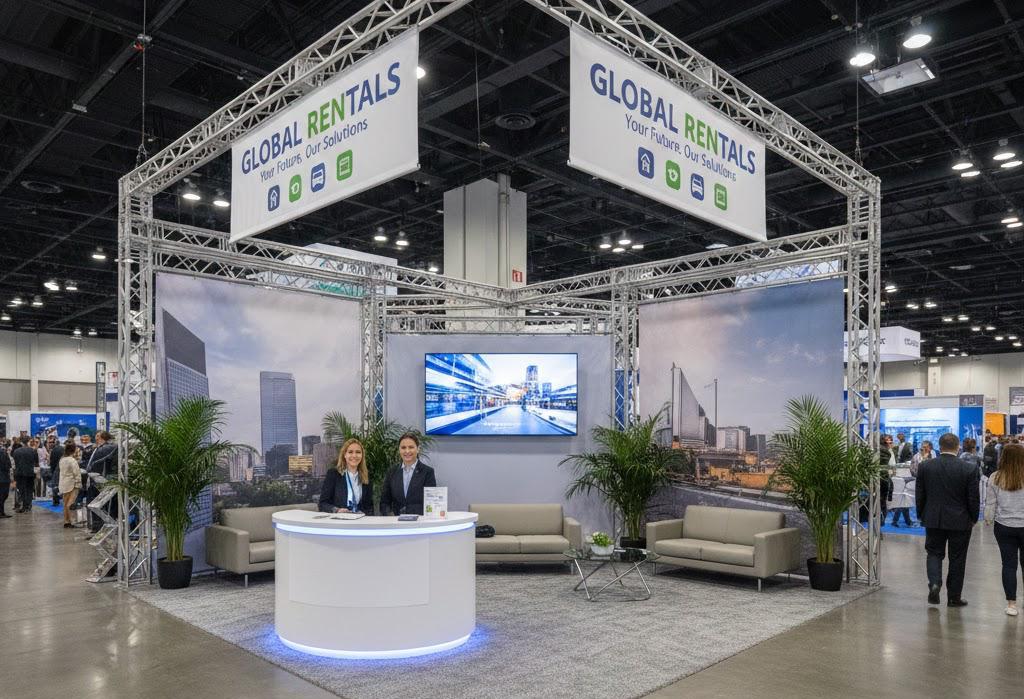
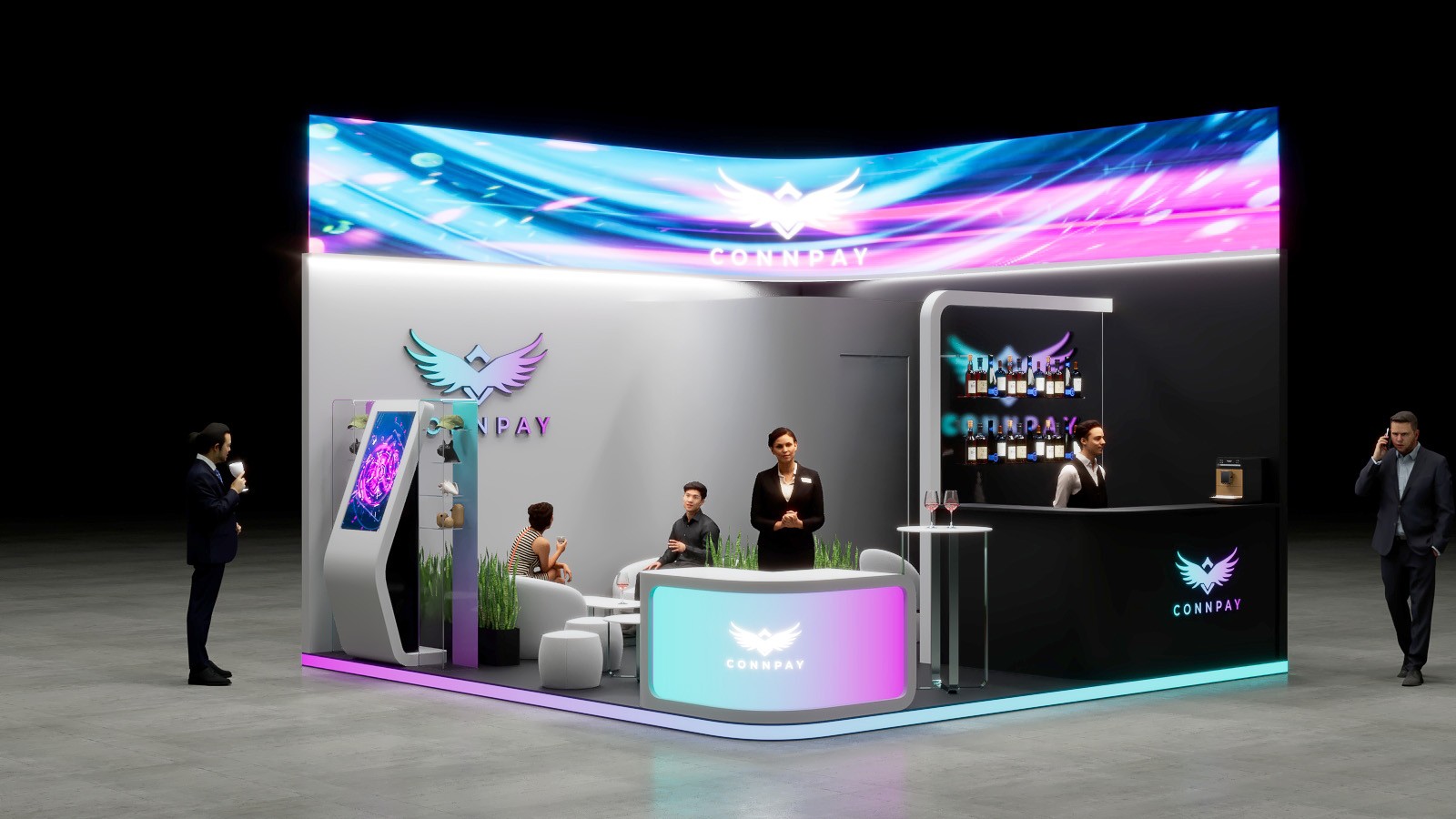
A modern trade show exhibit is a short‑term branded environment that grabs attention, starts conversations, and collects leads in 2–3 days. Think of it as a mini “Apple Store” on the show floor—clean, inviting, and built around demos and meetings.
Typical components include:
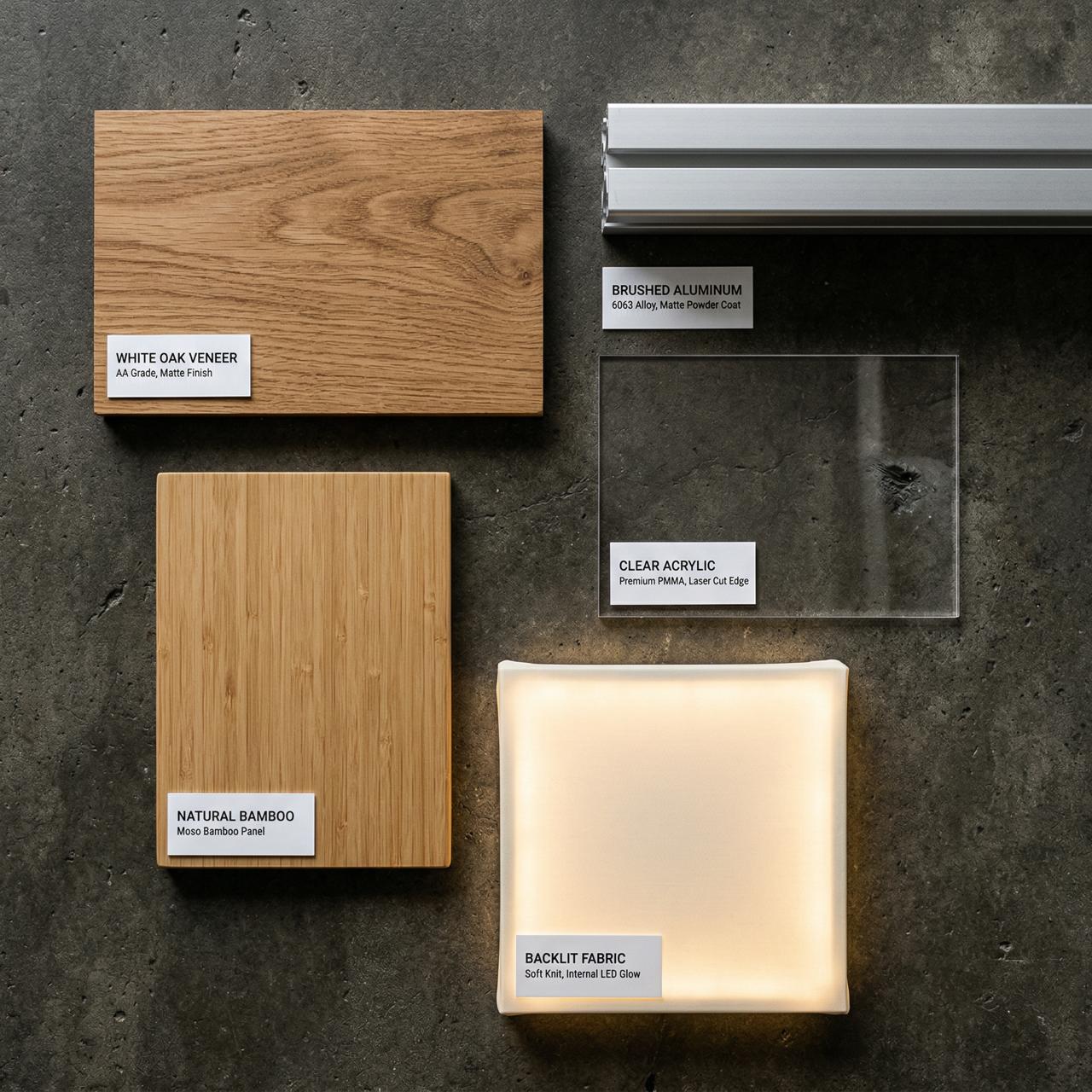
Structural system: aluminum or modular frames, fabric structures
Graphics: SEG (silicone edge) fabric, backlit panels
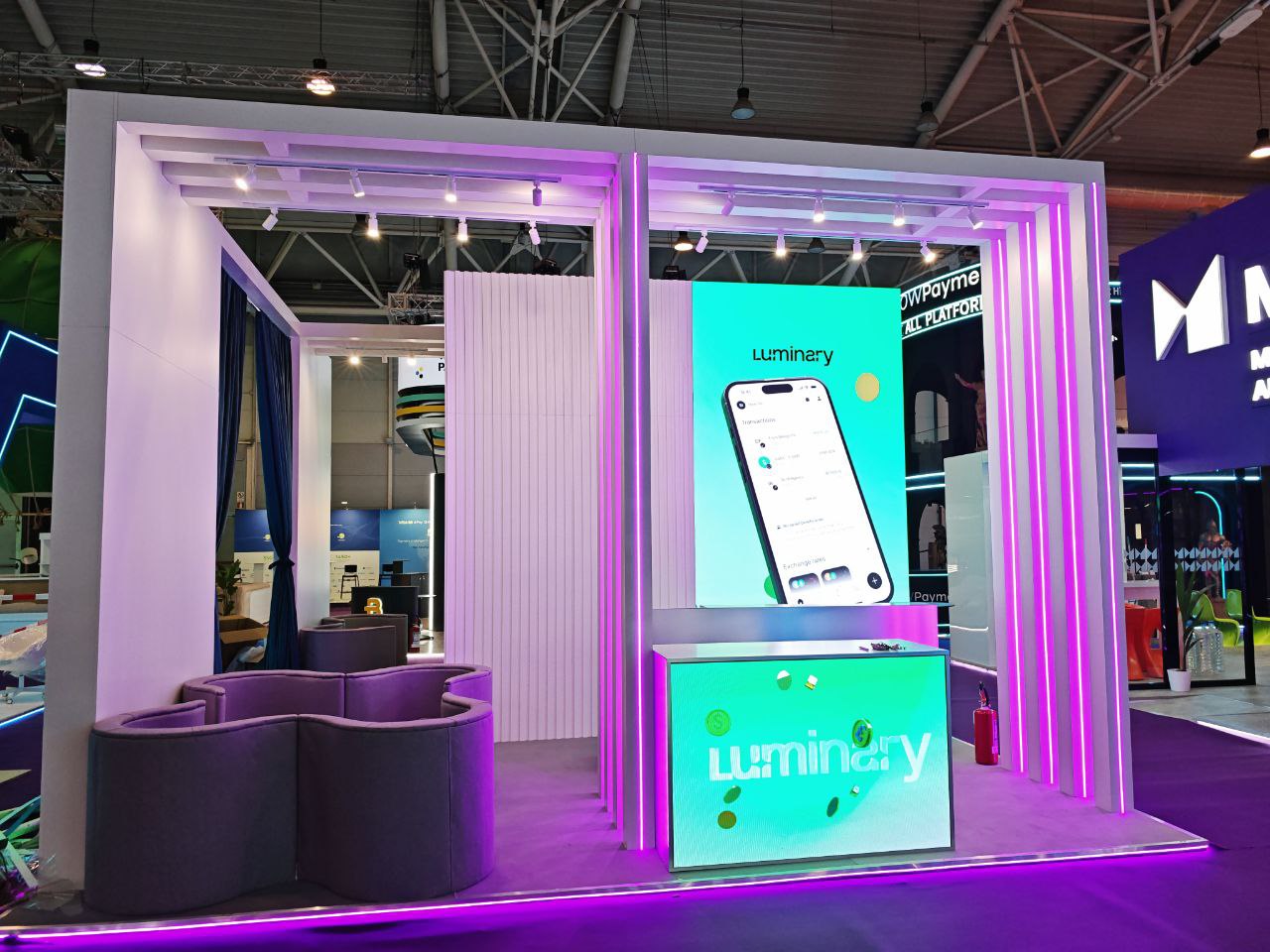
Tech: LED walls, monitors, interactive screens
Environment: flooring, lighting, counters, storage, sometimes hanging signs or meeting pods
Booths are usually classified as:
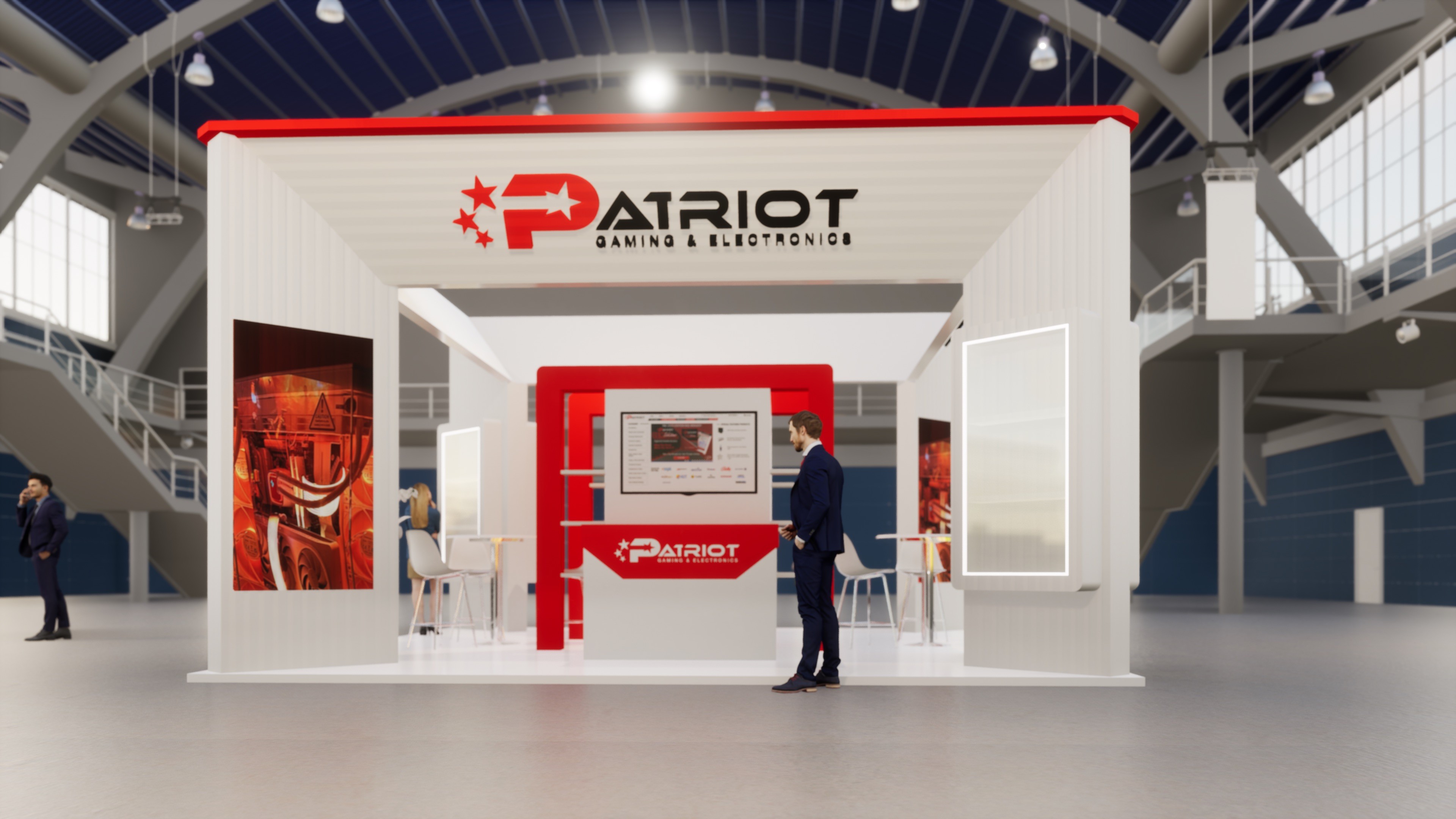
Inline: neighbors on one or both sides, open to the aisle
Peninsula: open on three sides
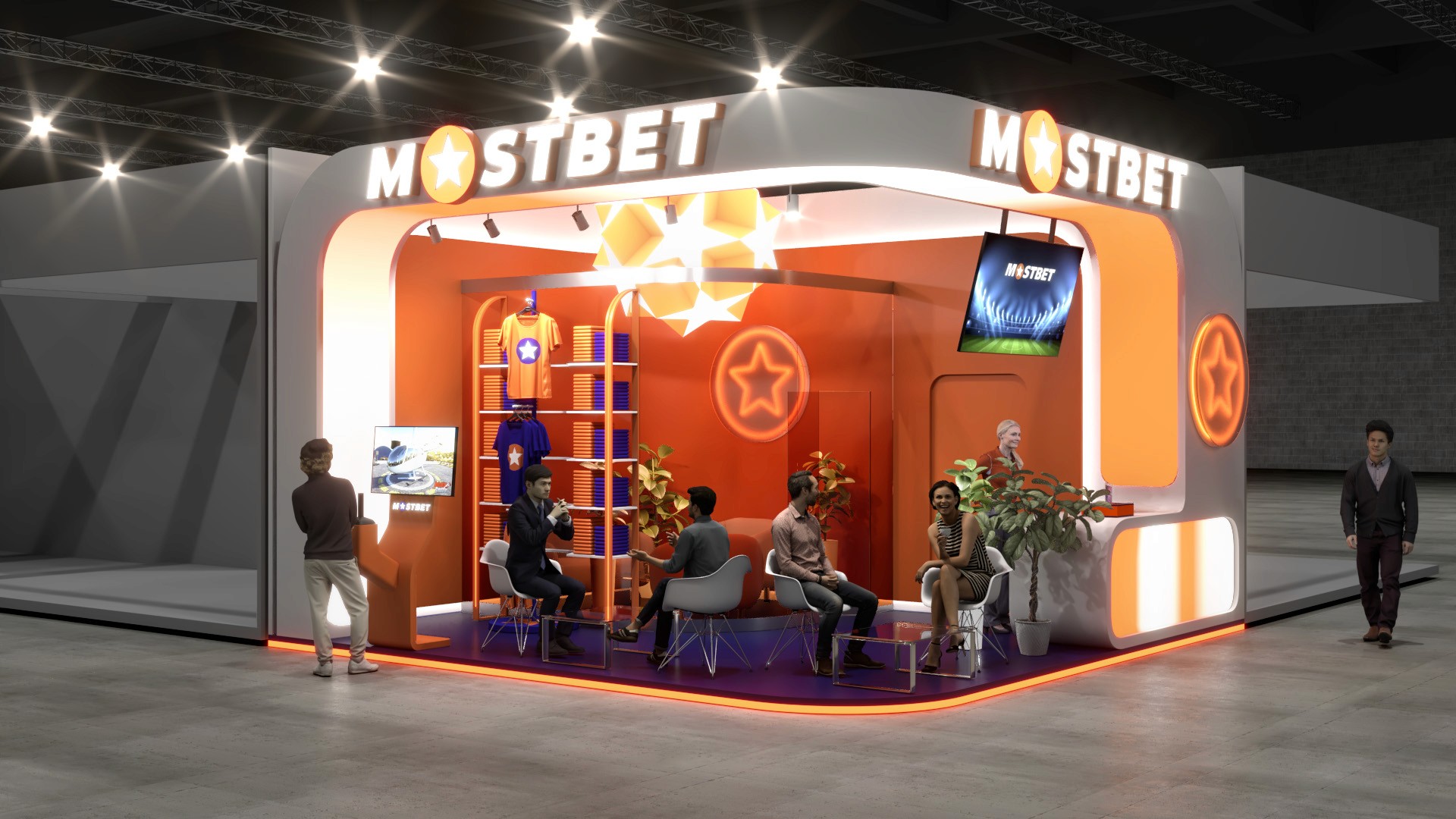
Island: open on all four sides
Islands offer the most freedom but often require engineering stamps for tall, cantilevered, or hanging elements. Always check:
ADA paths (typically at least 36 inches of clear width)
Use of flame‑retardant materials with documentation
Venue rules on maximum heights, overhangs, and floor loading
Missing these requirements can lead to costly last‑minute changes or, in extreme cases, elements being disallowed on site.
Types of Trade Show Exhibits (and Decision Rules)
Choosing the right type of trade show exhibits is the biggest driver of cost, flexibility, and total cost of ownership over 3–5 years. Use the quick overviews and decision rules below to narrow your options.
Rental trade show exhibits
Best if you exhibit at fewer than three shows per year, are testing a market, or need heavy tech like LED walls without owning the hardware. Rental trade show exhibits have low upfront cost, no storage, and are easy to change show to show.
Rule of thumb: choose rental for first‑time exhibiting or one‑off events to test ROI before committing to a purchase.
Modular trade show exhibits
Modular trade show exhibits are built from standard frames and panels that reconfigure for different booth sizes and layouts. They are typically 30–40% lighter than many custom builds, more sustainable, and can be set up relatively quickly (for example, a well‑planned 20×20 in 4–6 hours with the right crew).
Rule of thumb: go modular if reuse, reconfiguration, and lower shipping matter; modular often achieves a custom‑look finish at 60–75% of full custom cost.
Custom trade show exhibits
Custom trade show exhibits give full brand control for complex experiences such as theaters, enclosed rooms, multi‑level structures, and integrated AV environments. They work best for programs with more than five major shows per year where exhibiting is central to marketing and business development.
Rule of thumb: pick custom only when you have steady show volume, a clear multi‑year plan, and budget for storage and periodic refreshes.
Hybrid exhibits (the 2026 sweet spot)
Hybrid trade show exhibits combine an owned modular core (walls, towers, key brand elements) with rented tech and furniture that change per show. This approach reduces capital risk, cuts waste, and helps keep the look up to date.
Rule of thumb: default to hybrid for four or more shows per year—it often delivers the best balance of cost, flexibility, and brand consistency over time.
Quick decision tree
Fewer than 3 shows or testing a new event? → Rental
3–5 shows per year, varying sizes? → Modular
More than 5 major shows, brand‑driven? → Custom
4+ shows and you want balance? → Hybrid
Exhibit‑type matrix
Exhibit type | Best for | Show frequency | Flexibility | Upfront cost | Long‑term cost (3–5 years) |
|---|---|---|---|---|---|
Rental trade show exhibits | Testing, one‑offs, new markets | <3/year | Very high (change design each show) | Low | High (recurring per‑show) |
Modular trade show exhibits | Programs with varied sizes | 3–10/year | High (reconfigurable layouts) | Medium | Low–medium (good TCO) |
Custom trade show exhibits | Brand‑driven, complex builds | >5/year | Medium (less reconfigurable) | High | Medium if reused and refreshed |
Hybrid trade show exhibits | Scalable, multi‑market programs | 4+ shows/year | Very high | Medium–high | Often best overall balance |
Trade Show Exhibit Costs in 2026 (Realistic Ranges)
Exact numbers depend on design, finishes, and technology, but you need realistic bands to budget trade show exhibits for 2026.
Structure and graphics (by size and type)
The table below covers structure and printed graphics only. Floor space, drayage, electrical, rigging, AV, furniture, travel, and marketing are additional.
Booth size | Rental (per show) | Modular (purchase) | Custom (purchase) |
|---|---|---|---|
10×10 inline | 2,000–5,000 USD | 8,000–15,000 USD | 15,000–30,000 USD |
10×20 inline | 5,000–12,000 USD | 18,000–35,000 USD | 35,000–70,000 USD |
20×20 island | 15,000–40,000 USD | 30,000–70,000 USD | 60,000–120,000 USD |
20×30 island | 25,000–60,000 USD | 50,000–90,000 USD | 90,000–180,000 USD |
Plan to add roughly 20–30% if you include heavy AV such as LED walls, large hanging signs, or complex rigging.
Total show spend (all‑in)
A simple planning rule: multiply your floor‑space cost by about 3–6× to estimate total spend once structure, graphics, shipping, drayage, labor, travel, and marketing are included. For example, a 10,000 USD space can easily turn into 30,000–60,000 USD all‑in.
Total cost of ownership (TCO)
Over 3–5 years, the real cost of trade show exhibits is:
Upfront build or initial rentals + Storage (if owning) + Periodic refurb (graphics and finishes) + Per‑show drayage, labor, and show services across all events.
Typical patterns:
Rental: high recurring cost per show, but no storage or refurb risk.
Modular: medium upfront, low ongoing; graphics refreshes often run around a fraction of initial build costs every 2–3 years.
Custom: high upfront plus storage (for example, hundreds of dollars per month) and significant refresh investments, but can deliver strong value if reused across many big shows.
Hybrid: own a modular core and rent variable elements—often the best blend of controlled TCO and creative flexibility.
Over five shows, a mid‑range modular purchase may land in the same spending neighborhood as repeat rentals, but leaves you with a reusable asset you can reconfigure and upgrade.
Hidden Costs Exhibitors Miss
Some of the biggest numbers never show up on the first quote for trade show exhibits.
Drayage (material handling)
Charged by weight, often 80–250 USD per hundredweight (100 lbs) in 2026 in major cities, with higher rates in venues like Las Vegas.
A 3,000‑lb exhibit can generate 2,400–7,500 USD in drayage alone; lighter modular systems that cut 30–40% of weight can save thousands over a 3–5 show cycle.
Union labor
Typical straight‑time rates run roughly 85–150 USD per hour, with overtime at 1.5× or more and strict windows when overtime applies.
A 20×20 island install can easily reach 1,500–3,500+ USD in labor, especially if schedules slip into overtime.
Other show services
Electrical drops and power: 400–1,200+ USD depending on load and location.
Rigging: 500–2,000 USD or more for hanging signs and truss.
Cleaning, internet, and other miscellaneous fees: often a few hundred dollars each, but they add up quickly.
A practical rule is to add a 10–20% contingency on top of your planned all‑in budget to cover these variables
Timelines, Logistics, and Risk Checklist
A good exhibit house will structure your 2026 calendar roughly like this to keep trade show exhibits on time and on budget
Timeline checklist
12–16 weeks out (custom/large hybrid)
Kick off design and align internal stakeholders.
Lock target booth sizes, shows, and exhibit type (custom, modular, rental, hybrid).
8–10 weeks out
Submit engineering drawings, double‑deck or rigging plans, and key forms to show management and venue.
Order electrical, rigging, and internet to avoid late fees.
6–10 weeks out (modular builds)
Finalize graphics and messaging.
Confirm crate plan and packing sequence for efficient install.
4–6 weeks out (rental exhibits)
Book rental inventory and confirm any custom elements.
Lock your AV and furniture plan.
2–3 weeks out
Ship to the advance warehouse when possible to avoid direct‑to‑show risk.
Confirm labor orders and on‑site contact details.
Show week
On‑site checks, punch‑list fixes, and backup options for graphics and tech.
Risk Checklist and How a Good Partner Reduces It
Here is how a hands‑on partner reduces the biggest risks in trade show exhibits.
Late approvals and rush charges
Set internal design and approval deadlines ahead of show cut‑offs.
Verify venue engineering requirements early so decks, canopies, or tall structures are approved without last‑minute redesigns.
Engineering delays
Confirm when stamped drawings are required and who is responsible for them.
Avoid structurally risky concepts that will not pass venue rules.
Freight issues and missing crates
Ship early when possible and build in buffer days around weather or peak freight seasons.
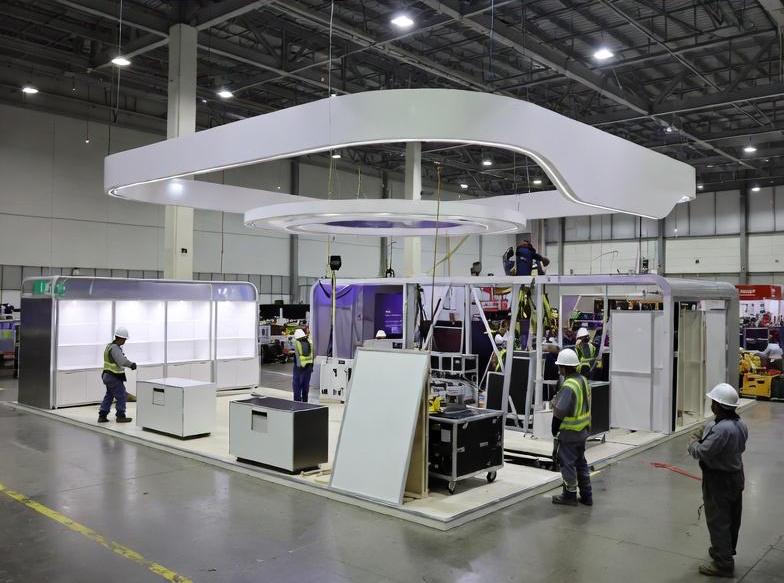
Perform pre‑mock setup in the shop for complex builds so crews see the order and fit before show day, and create detailed crate maps, labels, and I&D manuals with photos.
Labor overruns
Plan install schedules to minimize overtime windows.
Brief crews on tasks, crate order, and union scope before they hit the floor.
Budget surprises
Get itemized quotes for structure, graphics, drayage, labor, AV, electrical, rigging, and other show services.
Add a realistic 15–20% buffer and adjust after the first one or two shows as you see real invoices.
How to Choose a Trade Show Exhibit Partner
The right partner does more than design nice graphics; they manage trade show exhibits end‑to‑end. Look for transparency, union and venue experience, and strong logistics support.
Questions to ask:
How do you estimate likely drayage based on weight and crate count, instead of just saying “that is a show cost”?
Who is my single point of contact during design, freight, and install?
Do you coordinate with the general contractor and venue on union scopes, approvals, and paperwork?
Can you provide I&D manuals with photos and crate maps for crews?
How do you handle missing pieces or damaged items on site?
Red flags:
Vague pricing and no breakdown of services vs show‑side costs
No discussion of drayage, union labor, or venue rules
Extremely generic “turnkey” claims without process detail
Trade Show Exhibits by City (Quick 2026 Notes)
Las Vegas
Las Vegas often has some of the highest drayage and material‑handling rates, plus strong union scopes on what your team can and cannot handle on the floor. Book early, ship to the advance warehouse when possible, and expect premiums for peak dates.
Orlando
Orlando venues are known for strict approvals on tall and hanging structures, which can require earlier engineering submissions and clear egress/ADA planning. Weather can introduce freight delays during certain seasons, so build extra transit time into schedules.
Chicago
Chicago is union‑heavy with specific scopes and work rules, and winter weather peaks can disrupt freight and travel. Plan more transit buffer and confirm local labor expectations so you do not get caught by surprise on install.
Quick 2026 Advice for Trade Show Exhibits
Focus on visitor flow, offers, and lead capture over pure décor.
Use lighter modular and hybrid solutions to cut drayage and labor.
Rent tech like LED walls to stay current without locking in too much capital.
Plan early, insist on itemized budgets, and test ROI before committing to big custom builds.
If you are planning trade show exhibits for 2026 and want help choosing the right mix of rental, modular, custom, and hybrid options, sharing your show calendar and budget band with a qualified exhibit house makes it much easier to map a realistic, low‑surprise plan.